 Week of September 27 · Calgary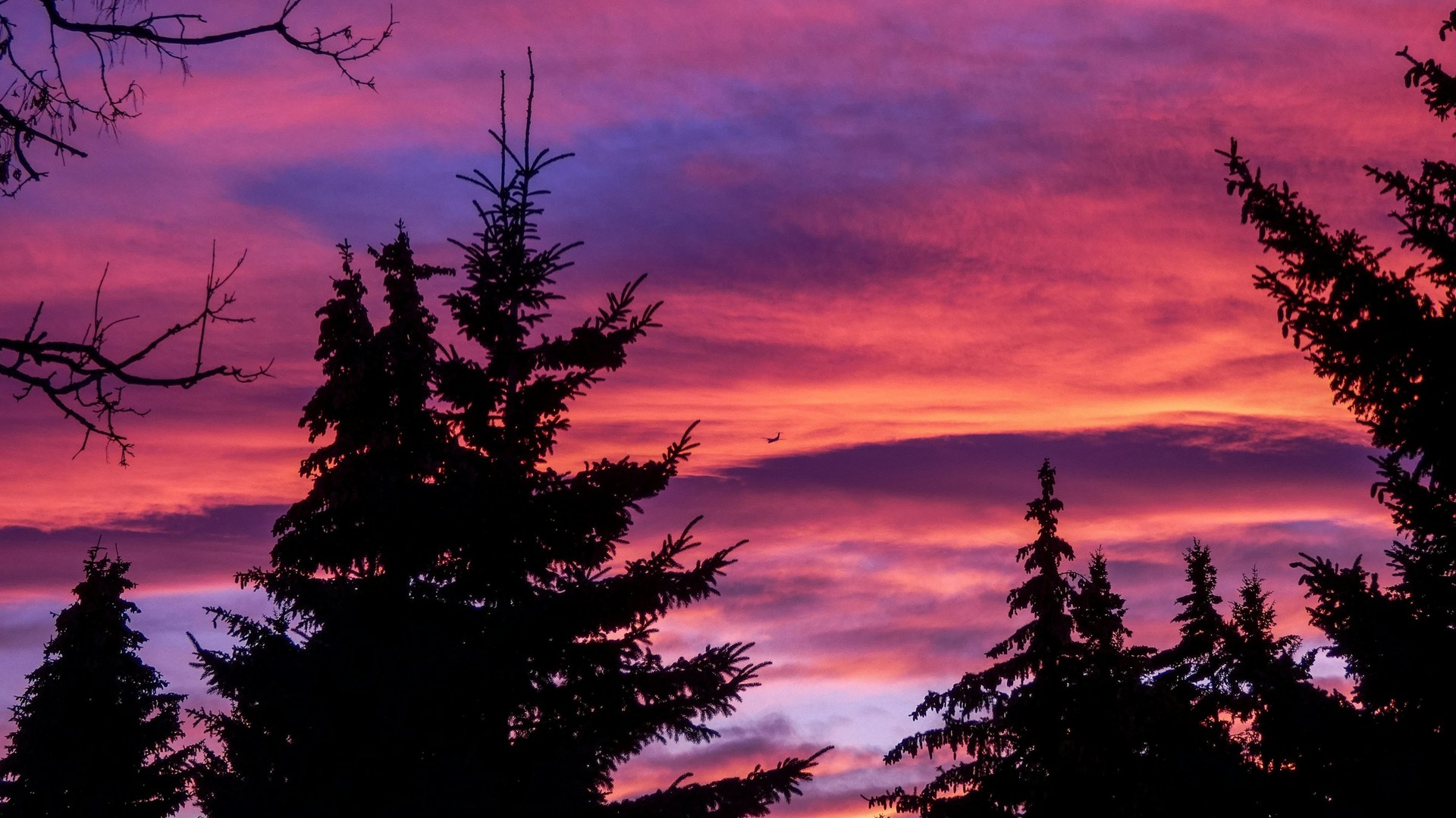
The night is longer now
September 25 is the first night since spring that is longer than the day, and it happens a few days later than the fall equinox. The moment the sun crosses the equator on September 22 is the real halfway point but we measure a day generously at both ends, which pushes the split between day and night later than the true equinox. Sunrise is timed from the instant the sun's top edge appears rather than the middle of it, and the atmosphere bends light over the horizon, so the sun is visible for a few minutes before it has truly risen and again after it has truly set. Between those two, they add about ten minutes of daylight to every date on the calendar, enough to keep the days longer than the nights for a few days after the equinox. At the equator those two effects always add more time, so the day there is never shorter than the night.
the equinox instant computed from the same model, Sep 2026
More happening around Calgary
tap for the full story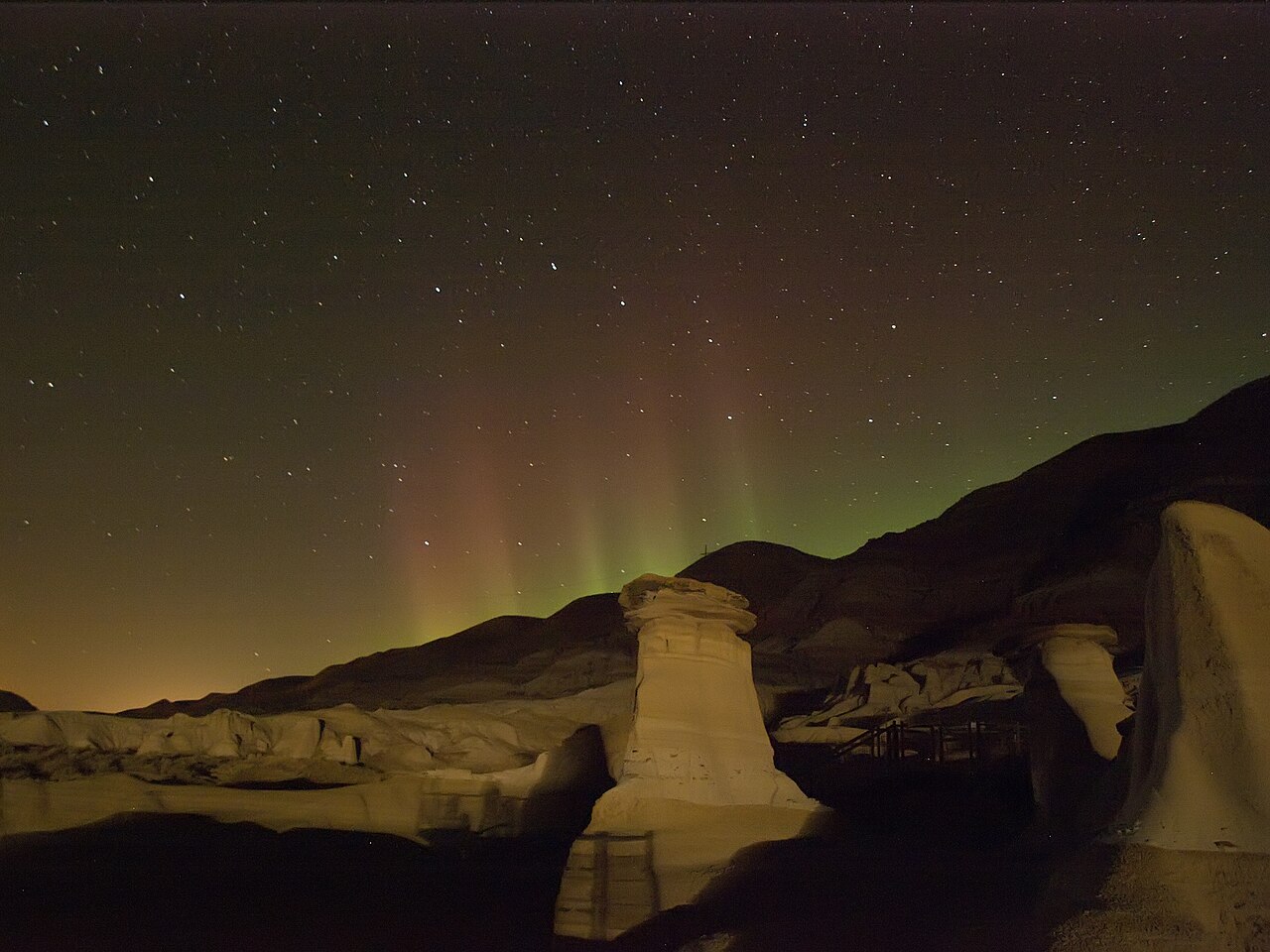
Aurora season is reopening
A quiet week is forecast, with nothing flagged for any night of it, and the moon is still near full at the start. The season runs to April and the good nights arrive with no notice
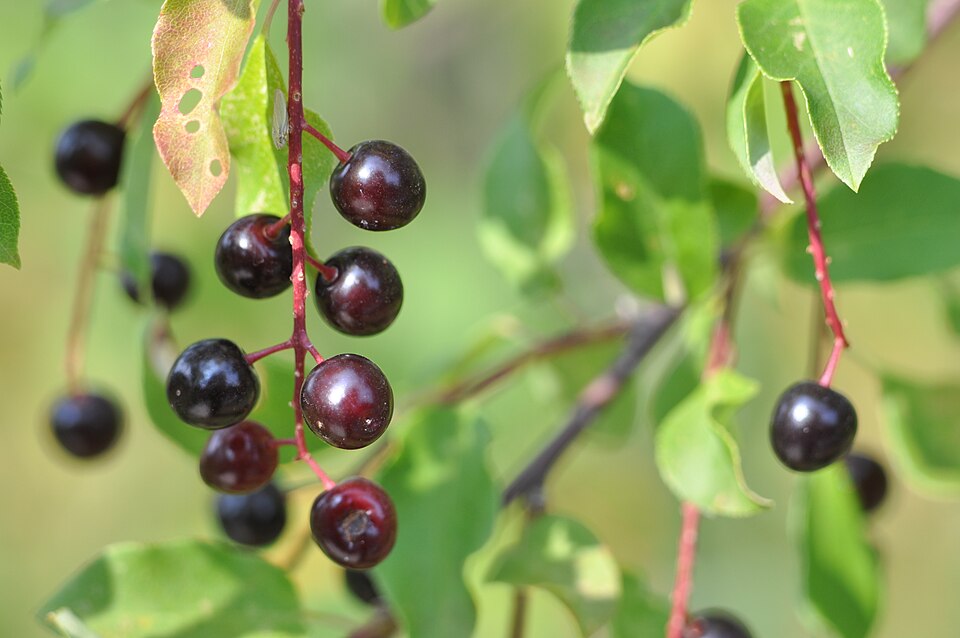
Chokecherries are turning black
The city's chokecherries are shading from red to nearly black, and that's ripeness. Too...
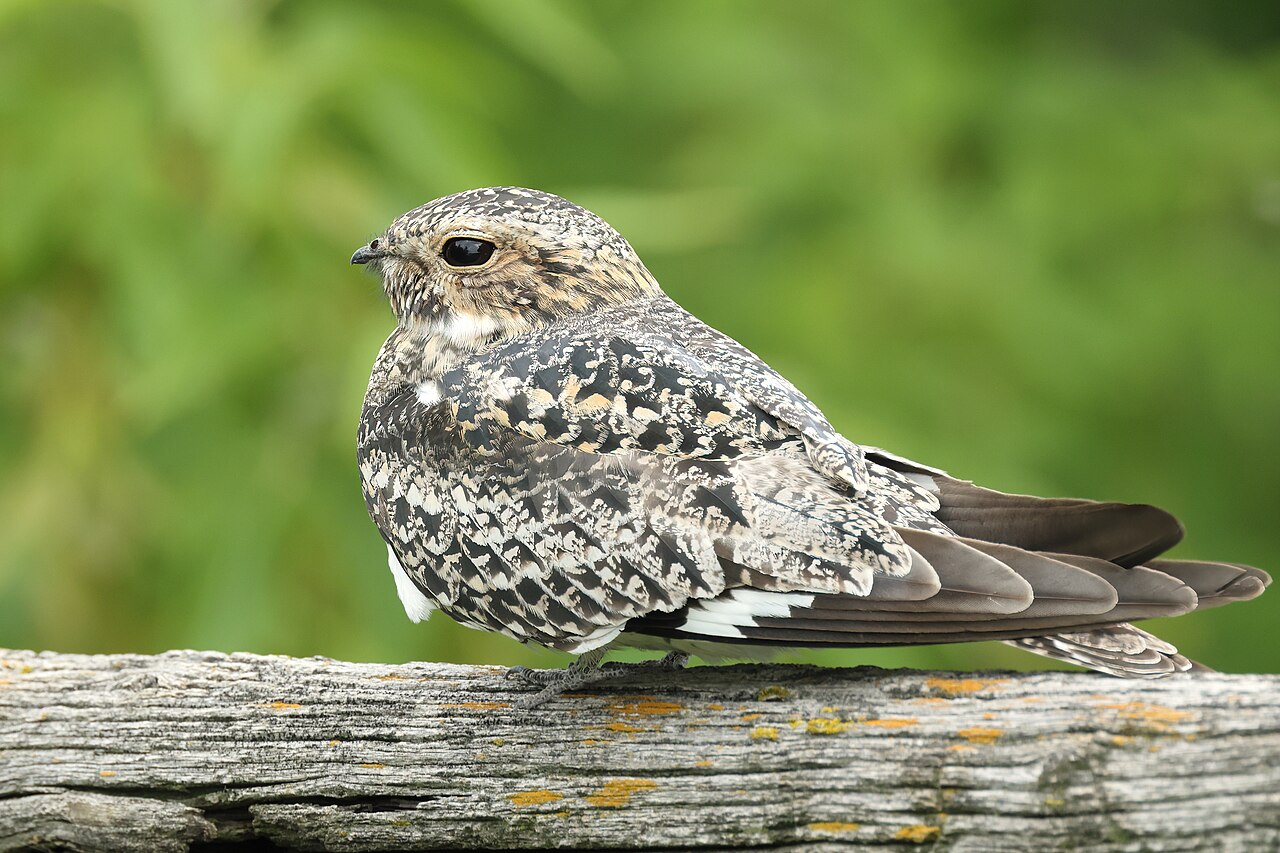
Nighthawks are streaming south
In the last weeks of August the evening sky fills with birds most people never look up to see...
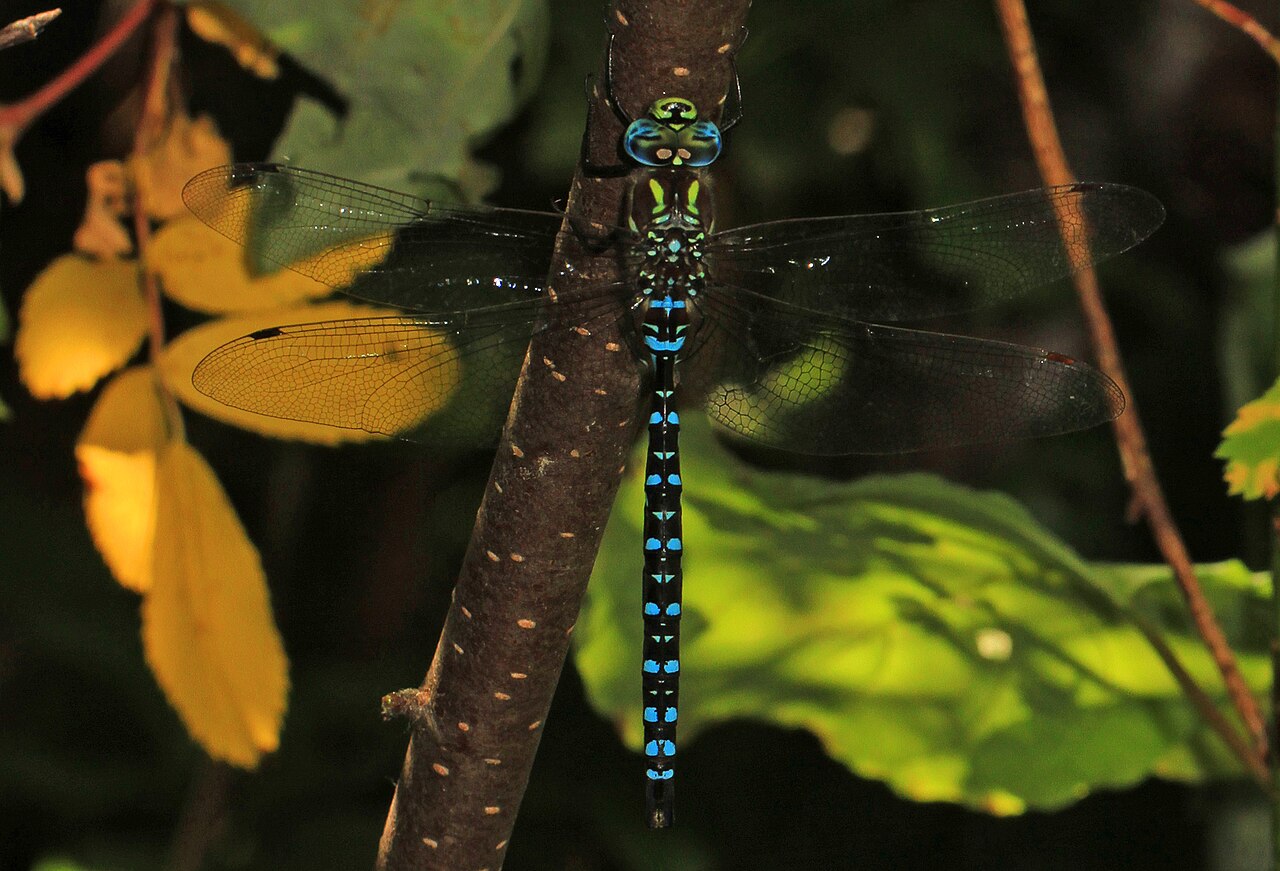
Darner season, at full tilt
The palm-length blue-and-green dragonflies patrolling the parks right now are darners, and...
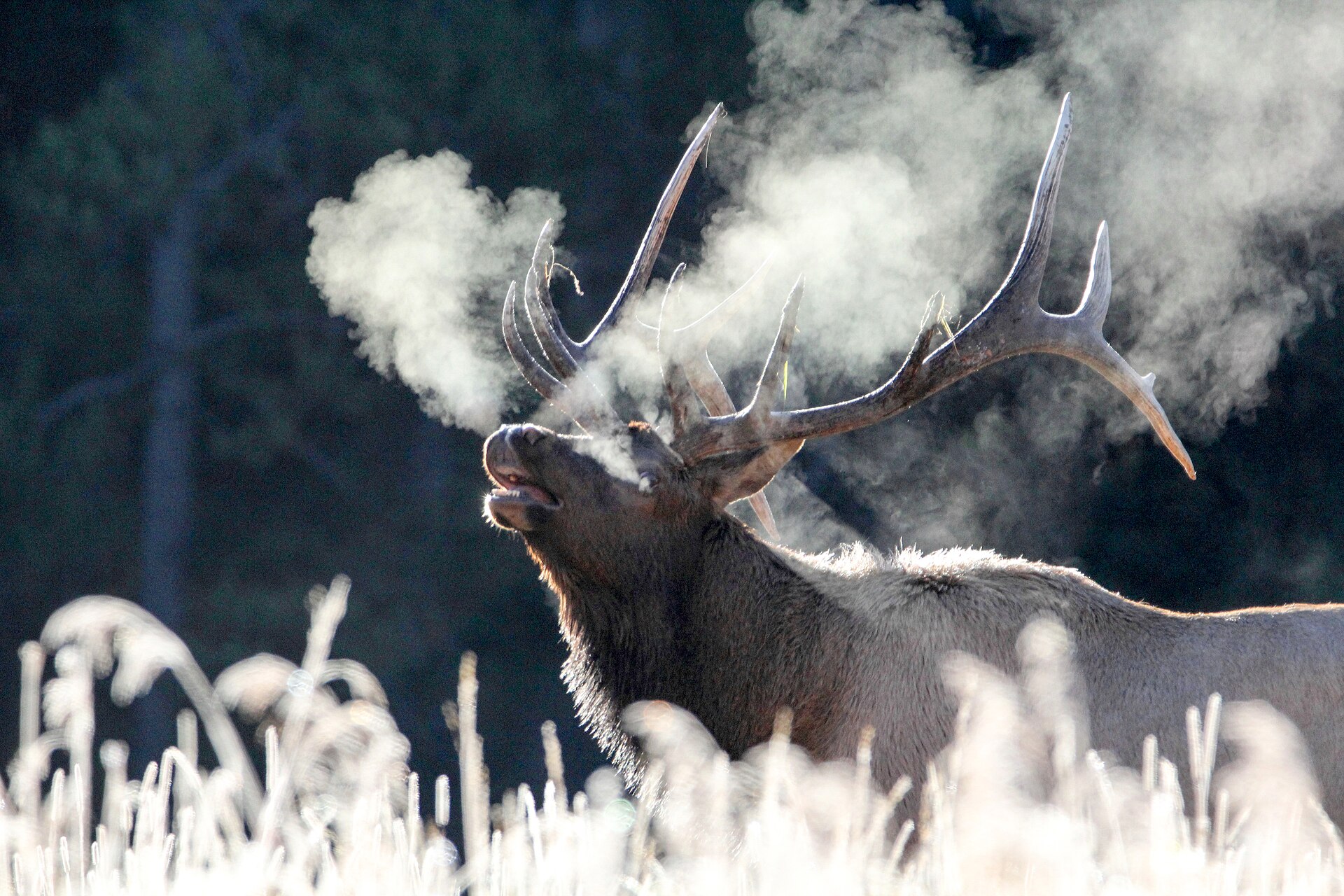
The elk have started bugling
From the first days of September the mountain valleys start to echo. Bull elk are in rut, and...
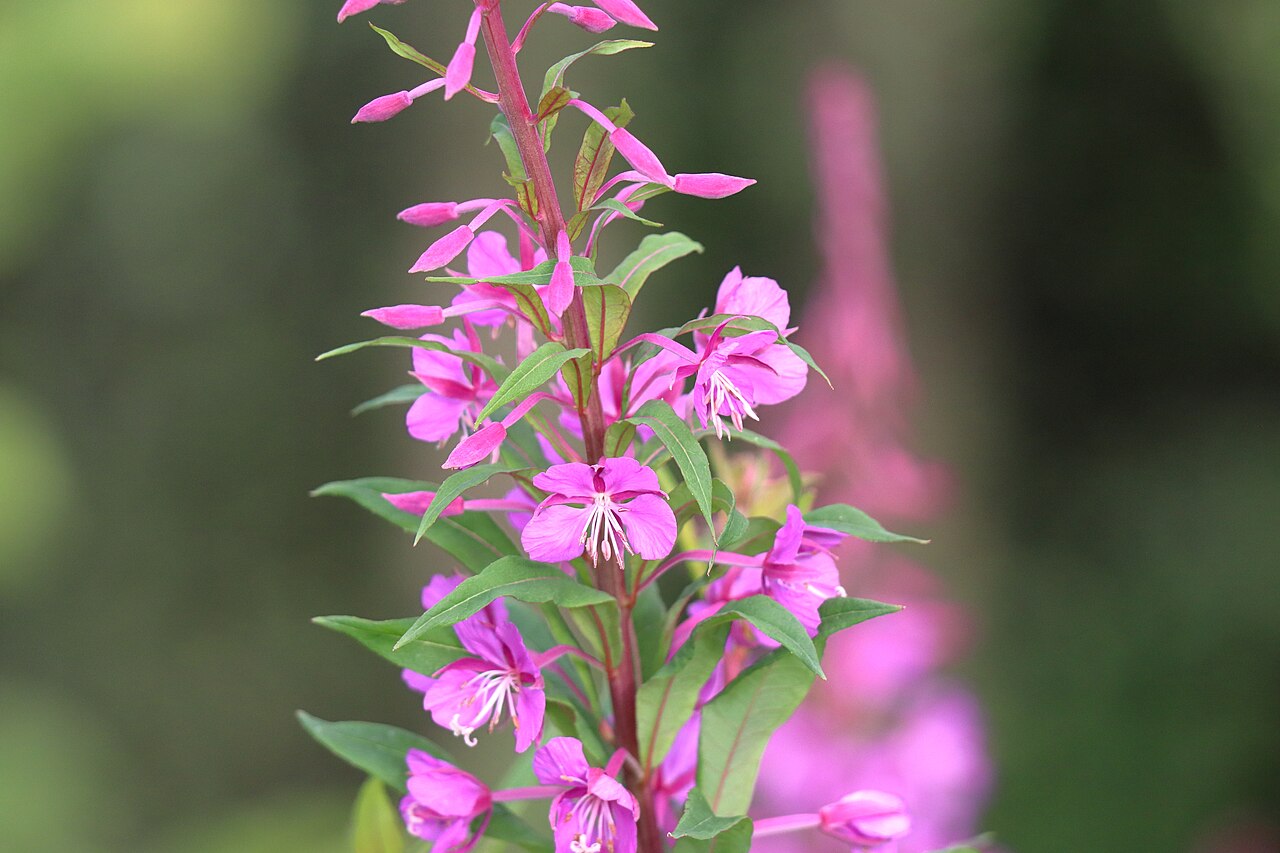
Fireweed says summer's ending
Fireweed blooms from the bottom of its spike upward, and folk wisdom says that when the last...
Spotted an error? Report a correction