 Week of September 27 · Calgary
Worth stepping outside for
Happening now
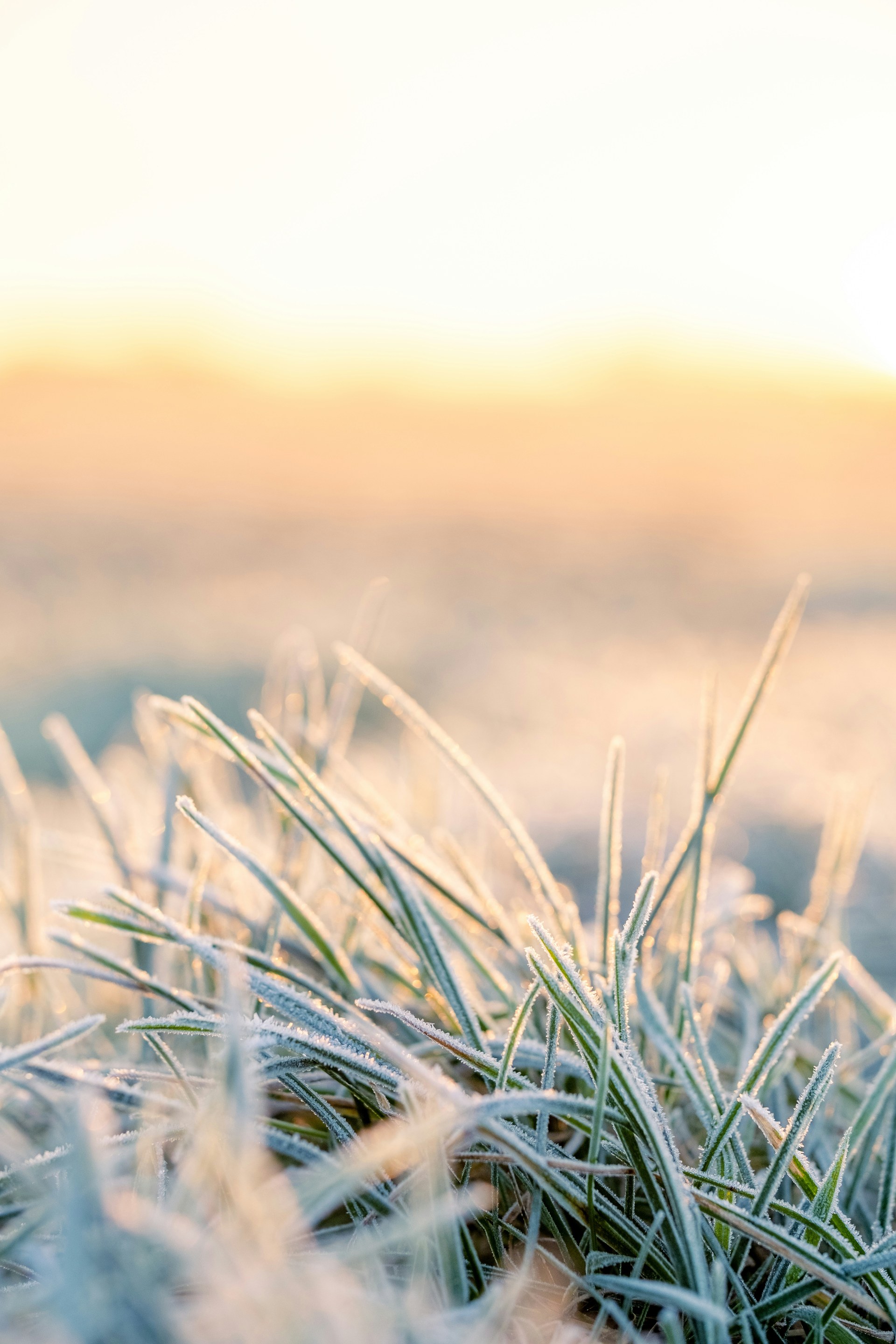
The first white morning
Some morning soon you'll step outside to a white film on the lawn, the car roof and the top rail of the fence, then it will be gone within an hour of being in the sun. Frost forms on clear, still nights, when the ground loses its heat straight up into an open sky and the surface cools below freezing. The air a metre and a half above it, which is where thermometers live, is still a degree or two warmer. That's why the overnight low can read 2C and your windshield is iced anyway. Cold air also drains downhill like water, so the low ground gets frosted first. River flats, ditches and the bottom of the park whiten while the slope above them stays green, and you can stand in one place and see the line. This is the night that stops the crickets and blackens the annuals, and after it the leaves start falling in earnest.
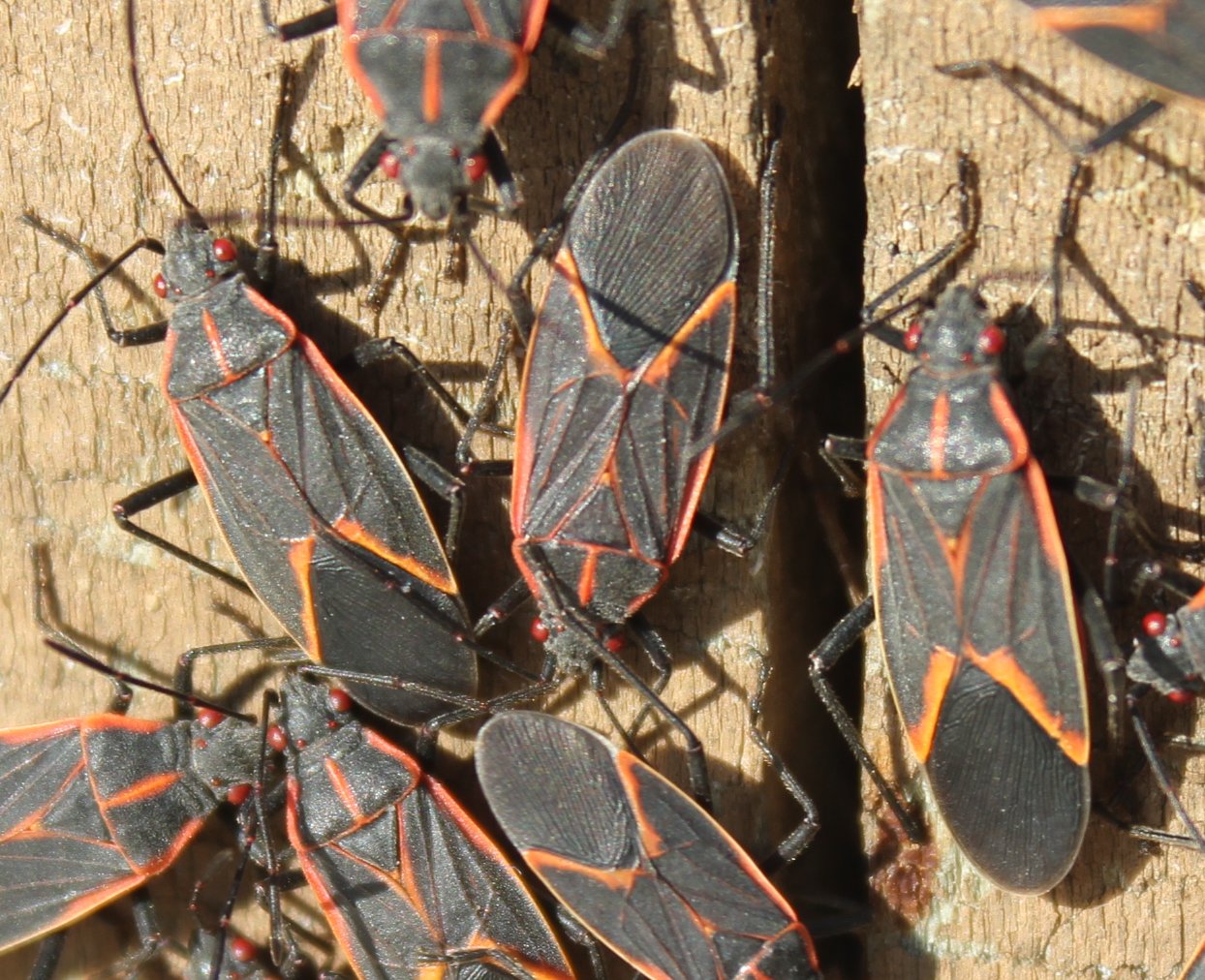
Red and black on warm walls
On the first properly cool days of autumn the sunlit side of a house, a fence or a tree trunk can go dark with flat oval insects, black with three thin red lines down the back and red along the edges. These are boxelder bugs, and they are there for the heat. They are cold-blooded, a wall facing the afternoon sun is the warmest surface around, and they are gathering before they go looking for somewhere to spend the winter, which is usually a crack in bark or a gap under someone's siding. They live almost entirely on box elder, the fast, weedy maple that towns planted by the thousand and that many people know as Manitoba maple. They feed on the leaves and seed pods of the female trees, so a wall covered in them is nearly always a wall near a tree carrying seeds. They don't bite, they don't eat the house, they do no real harm to the tree and they cannot breed indoors. The only true complaint against them is the smell if you crush one, which is a good argument for moving them with a broom.
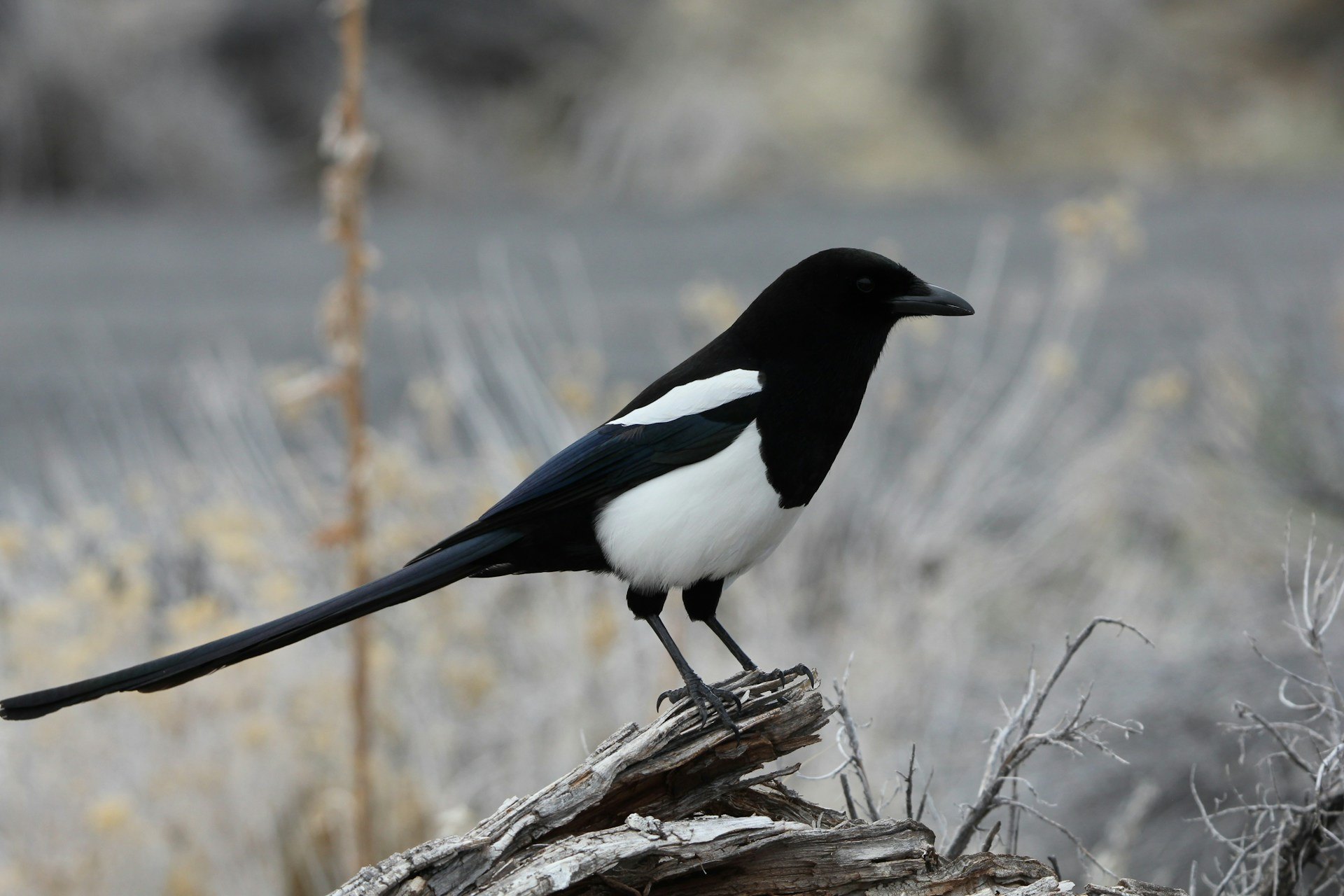
Where the magpies go at dusk
Watch the sky in the last light of the afternoon and you may notice magpies all flying the same way, in ones and twos and loose strings, toward the same patch of trees. Through the colder half of the year they leave their small family flocks at night and sleep together in communal roosts, sometimes several hundred birds in one stand of dense spruce or pine. They don't huddle: each bird takes its own branch and lets the needles break the wind. A winter-long study of one roost near Edmonton found the birds turn in earlier on colder days and on dark, cloudy ones, so the colder it gets, the earlier the evening commute. In the morning they scatter back across the neighbourhood to spend the day.
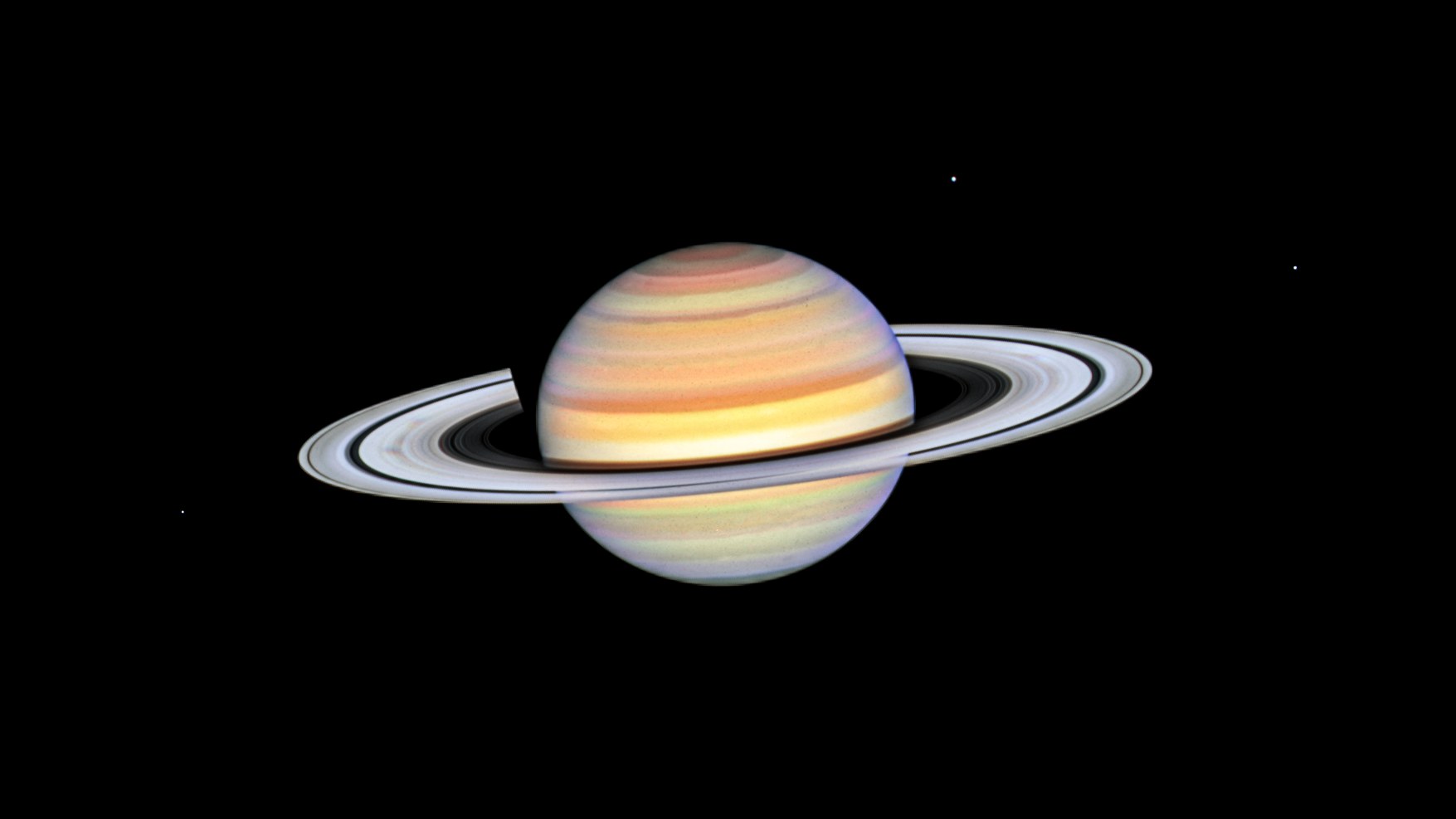
That bright light is Saturn
That steady, pale gold light low in the east after dark is not a star. It's Saturn, and for the next few weeks it rises a little earlier every evening, until it comes up in the east just as the sun goes down in the west. It's called an opposition, when Earth sits on the line between Saturn and the sun, and the planet stays visible all night, as close and bright as it gets all year. Close is relative: the light you are looking at left Saturn a little over an hour ago. To the eye it is just a point, but it is a point with rings, and any small telescope will show them.
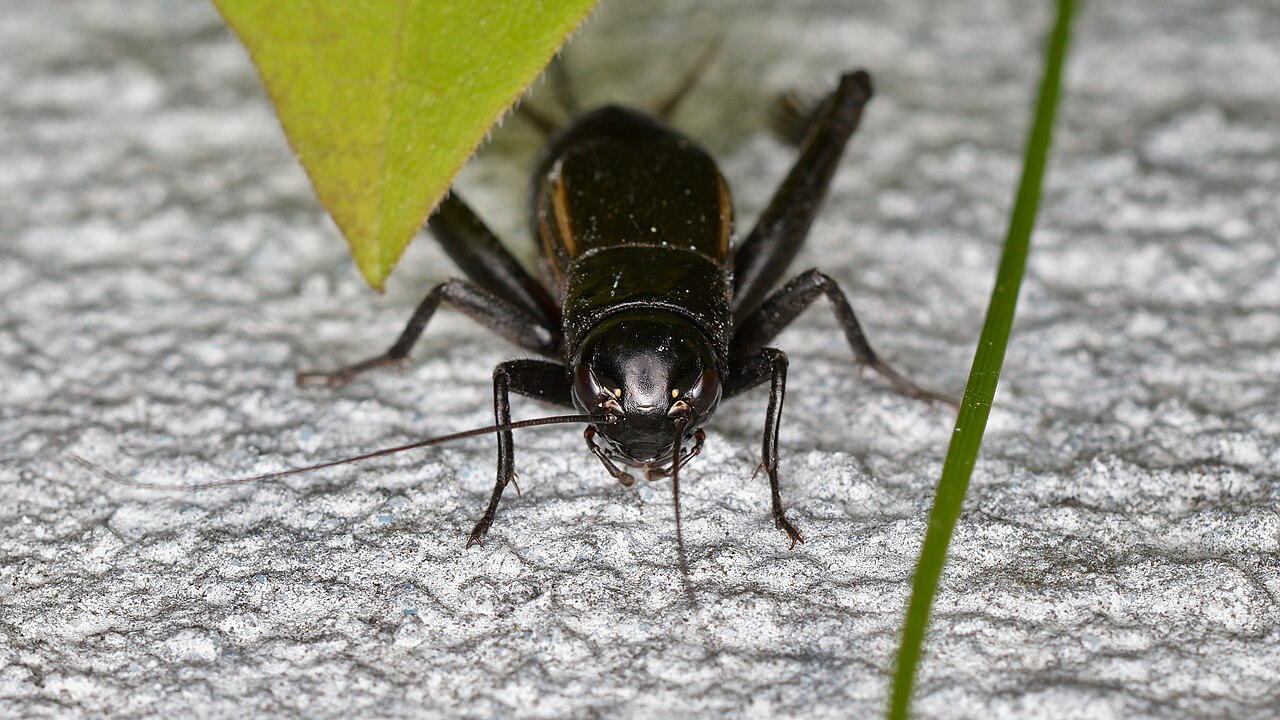
The crickets have started
That steady evening chirp that wasn't there in July? Fall field crickets have begun, the defining sound of late summer on the prairie. They come with a party trick: crickets chirp faster in warm air. Count the chirps in eight seconds, add five, and you're close to the temperature in Celsius. (The classic formula was worked out for tree crickets, but field crickets keep rough time too.)
Also this week
tap for the full story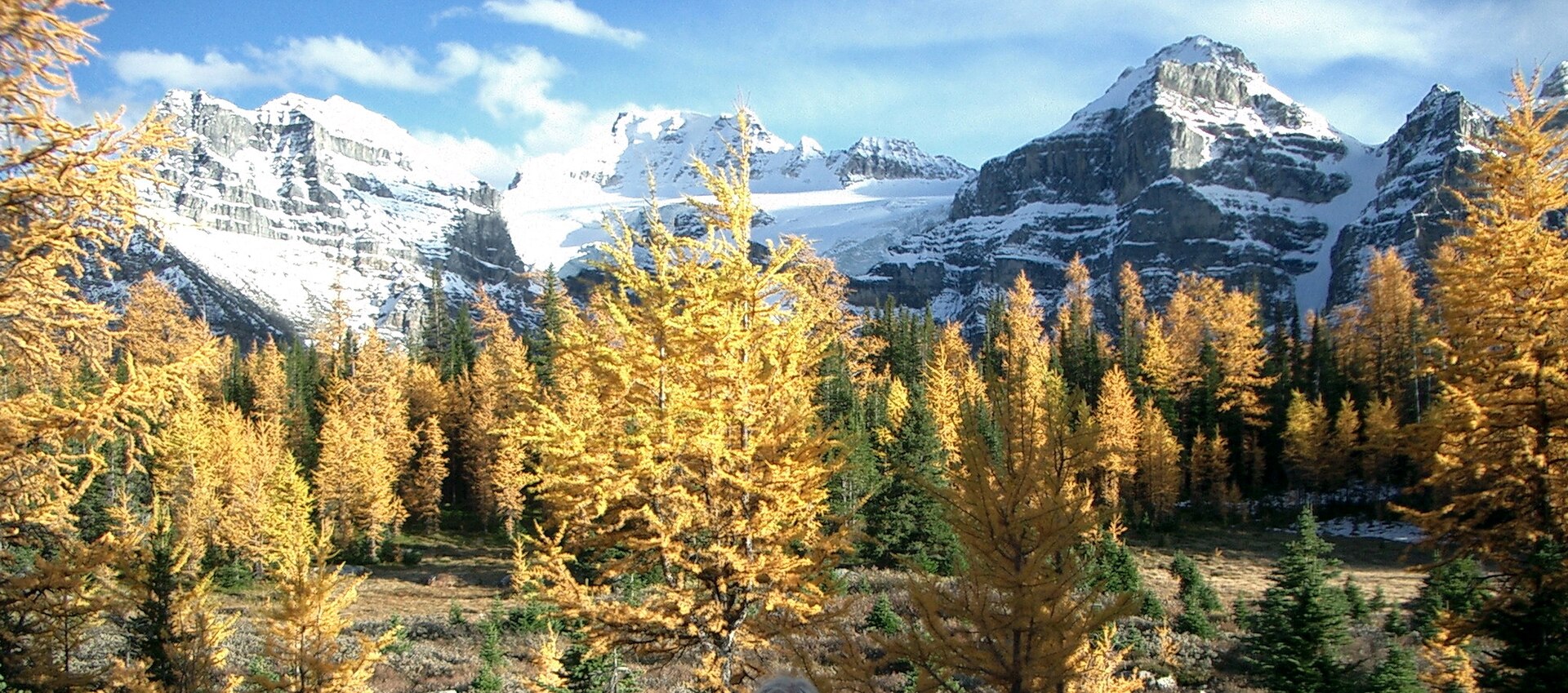
The larches turn gold
The gold is at its best right now. The pass freezes hard every night this week and there is a few centimetres of snow forecast midweek, so check the road before you drive up
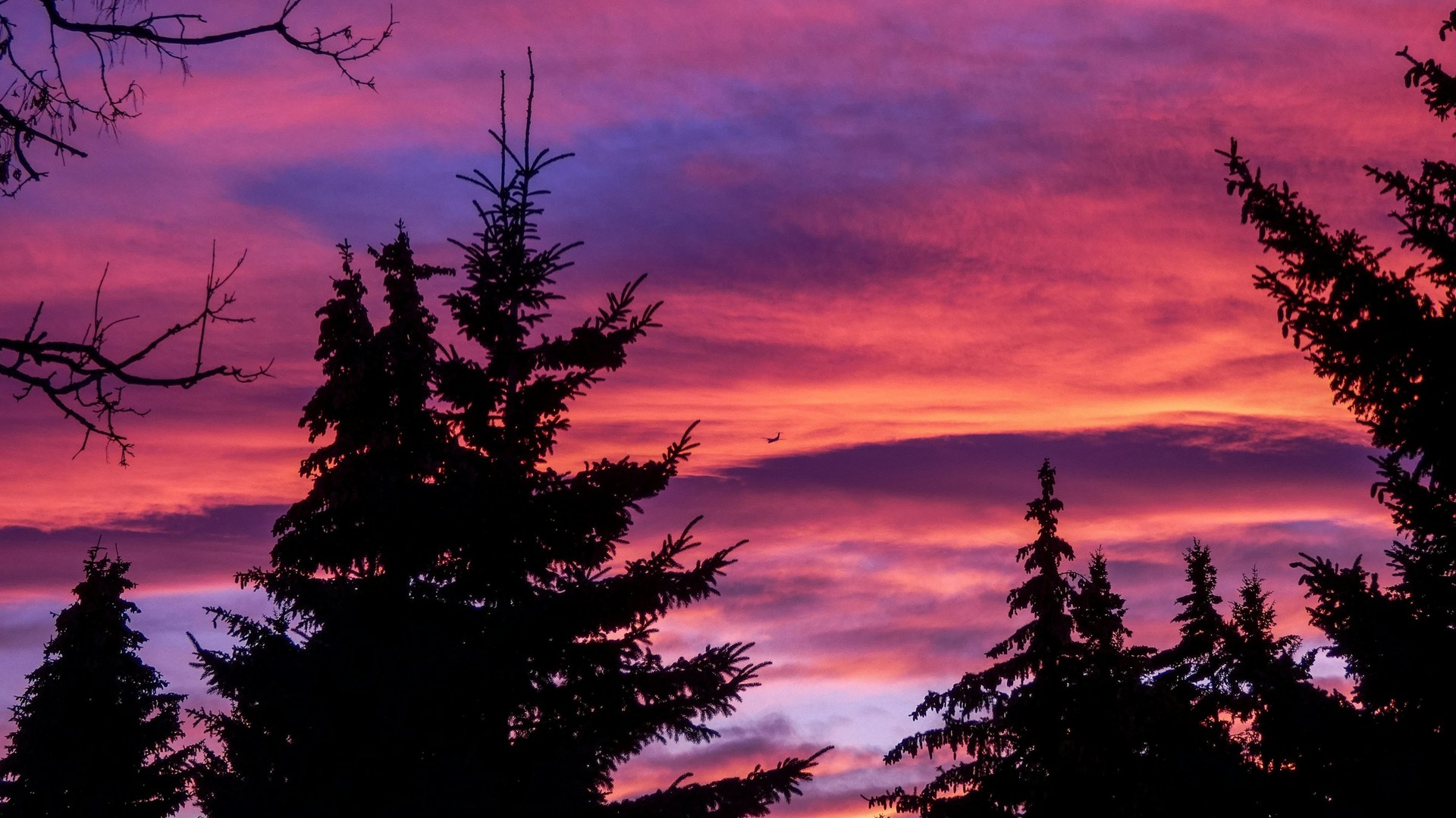
The night is longer now
The line was crossed on Friday and the nights keep gaining. Sunday gets 11 hours 52 minutes of daylight and Saturday only 11 hours 29, so the sun now sets before a quarter past seven
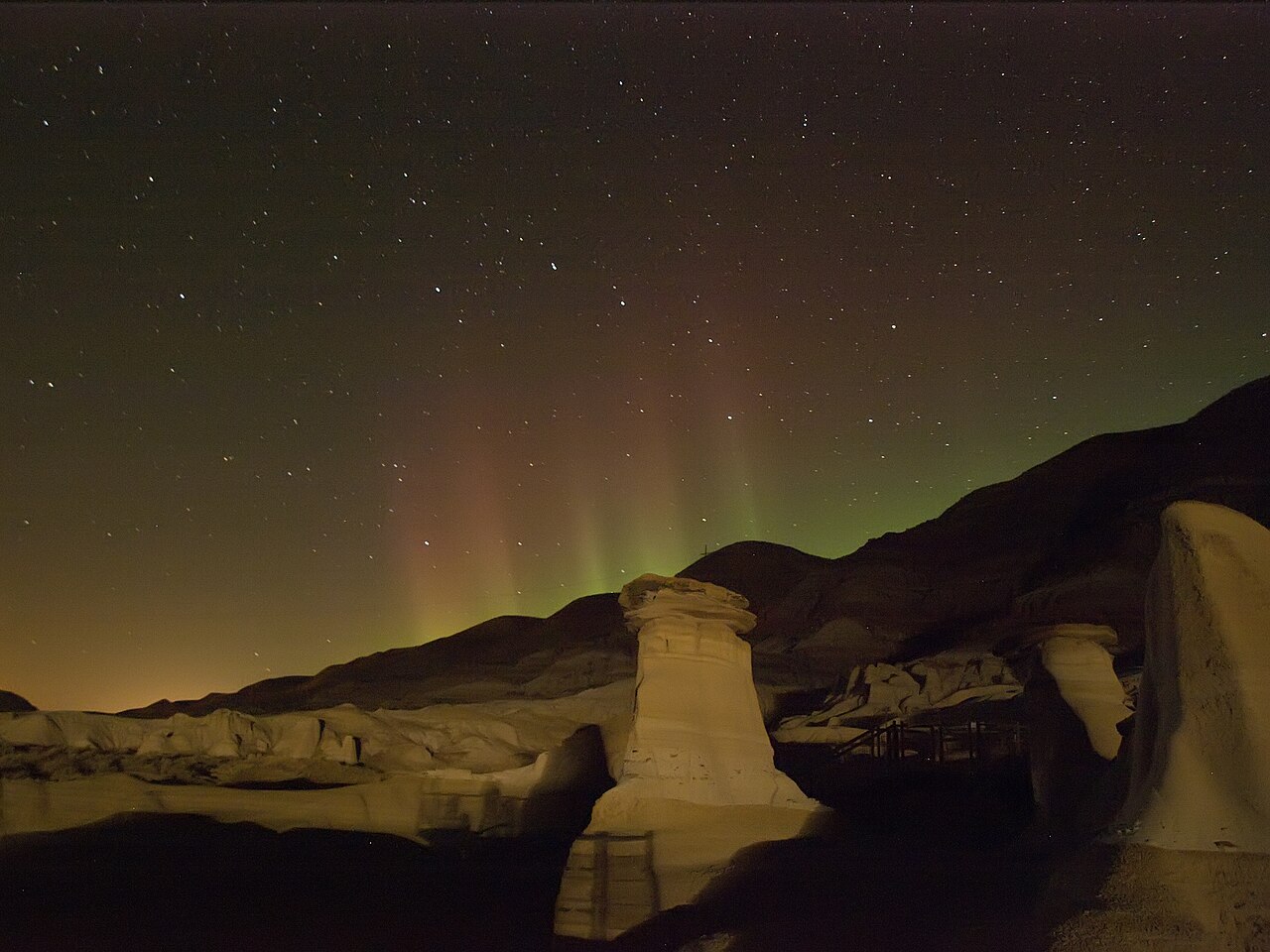
Aurora season is reopening
A quiet week is forecast, with nothing flagged for any night of it, and the moon is still near full at the start. The season runs to April and the good nights arrive with no notice