 Week of August 30 · Calgary
Worth stepping outside for
Happening now
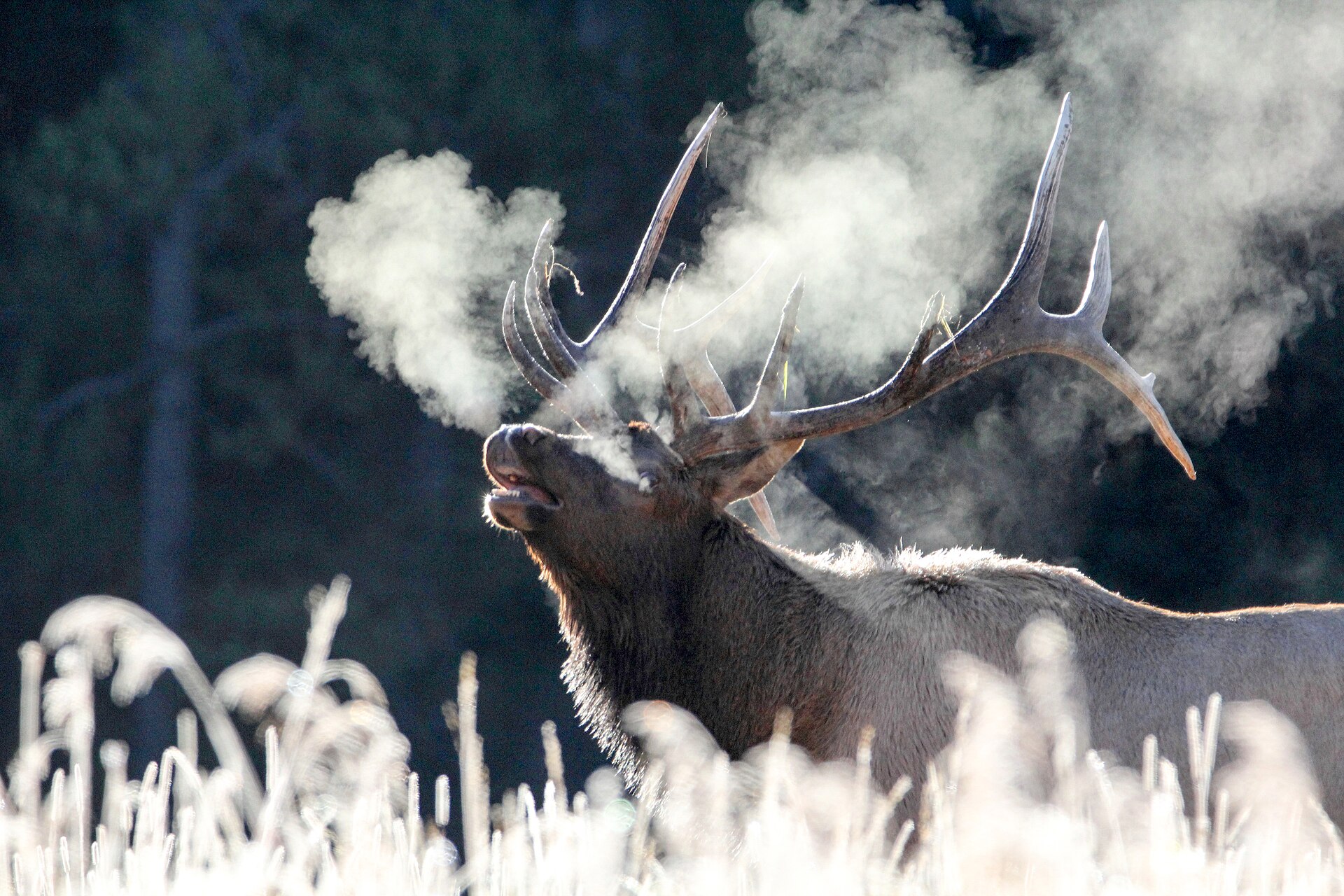
The elk have started bugling
From the first days of September the mountain valleys start to echo. Bull elk are in rut, and the bugle is how a bull advertises himself: a low bellow that climbs into a thin, carrying whistle and then falls away into a run of grunts. It is an odd sound to come out of a 300 kg animal, and the reason is that he is making two sounds at once. Researchers who recorded wapiti bugles found two independent sound sources inside a single call, a low roar near 145 Hz and a whistle above 1400 Hz, and suggested the low part advertises his size to rivals nearby while the high part carries his presence down the length of the valley. Bugling peaks through late September and is mostly finished by the middle of October.
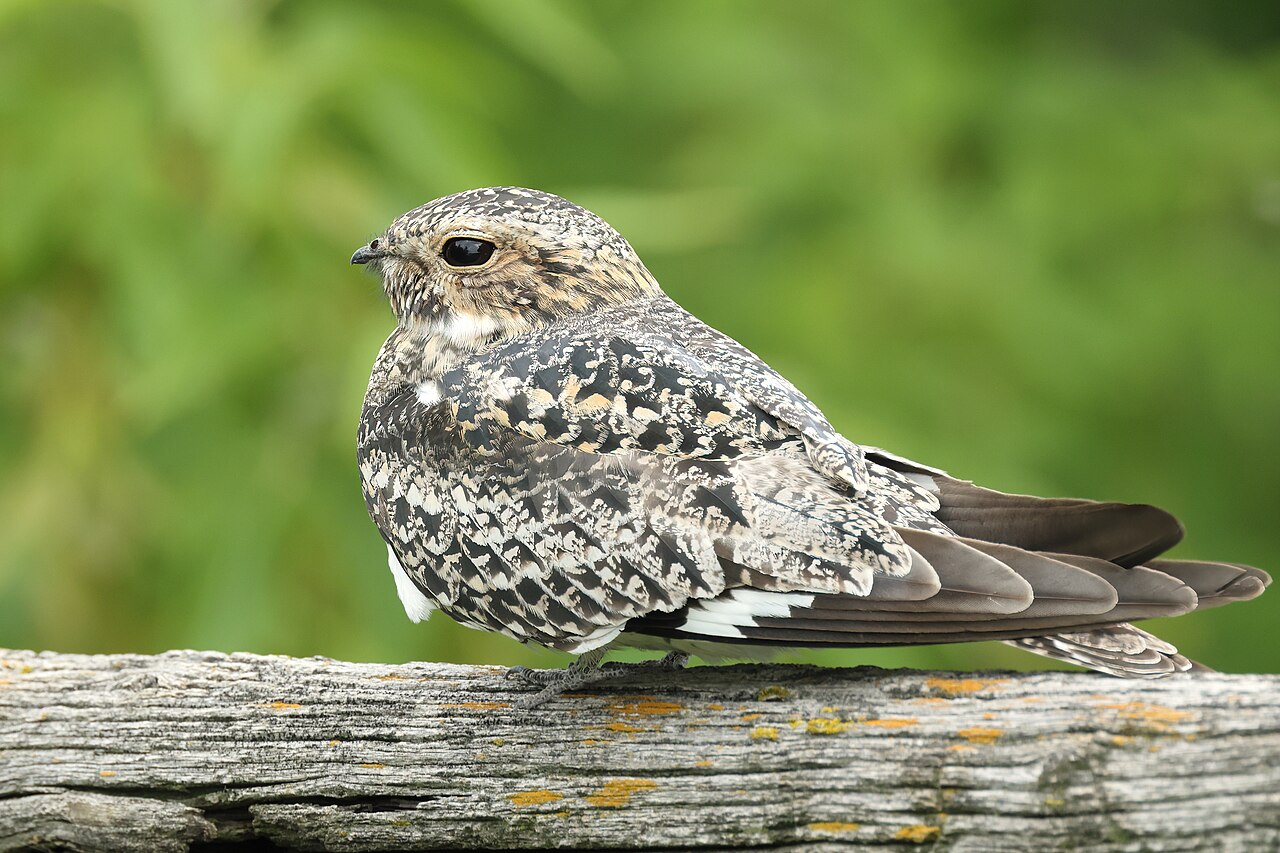
Nighthawks are streaming south
In the last weeks of August the evening sky fills with birds most people never look up to see. Common nighthawks are not hawks but nightjars, and they are on their way to South America, feeding as they travel and catching insects in a gape that opens far wider than the tiny bill suggests. Look for the flight before you look for the bird: buoyant and erratic, almost bat-like, the wings crooked back to a point, with a white bar flashing partway out along each one. Plenty of them were raised a few blocks from downtown, because a nighthawk builds no nest at all and lays its two eggs straight onto open gravel, including the gravel on a flat city roof. By the middle of September the dusk sky is quiet again.
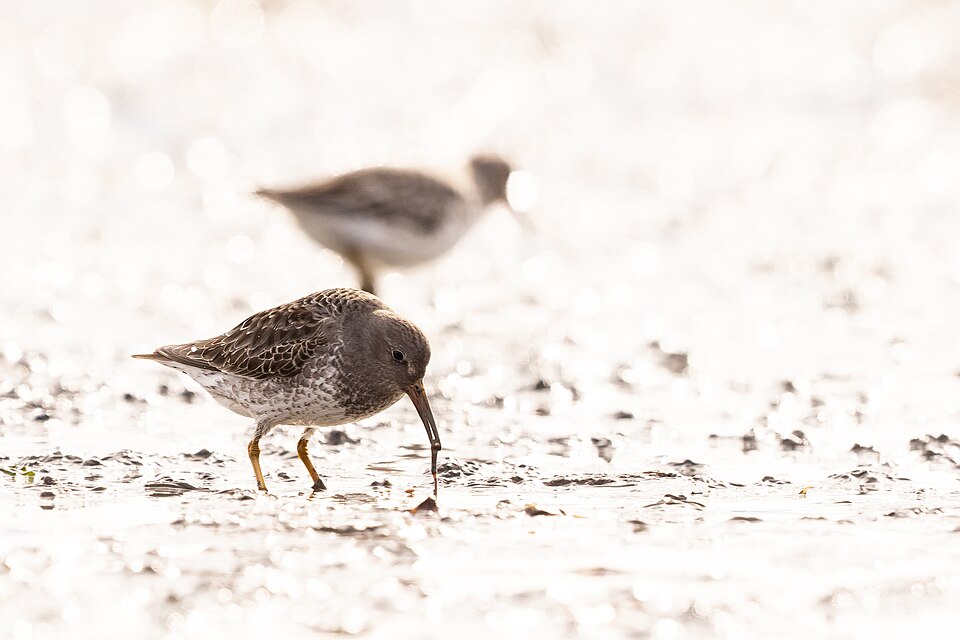
Fall migration is already happening
Migration doesn't wait for fall. Sandpipers and plovers that nested on Arctic tundra are streaming south right now, pausing on muddy lake edges east of the city. The adults came through in July. This month it's mostly juveniles, making the trip for the first time and navigating entirely on their own. Some are bound for South America.
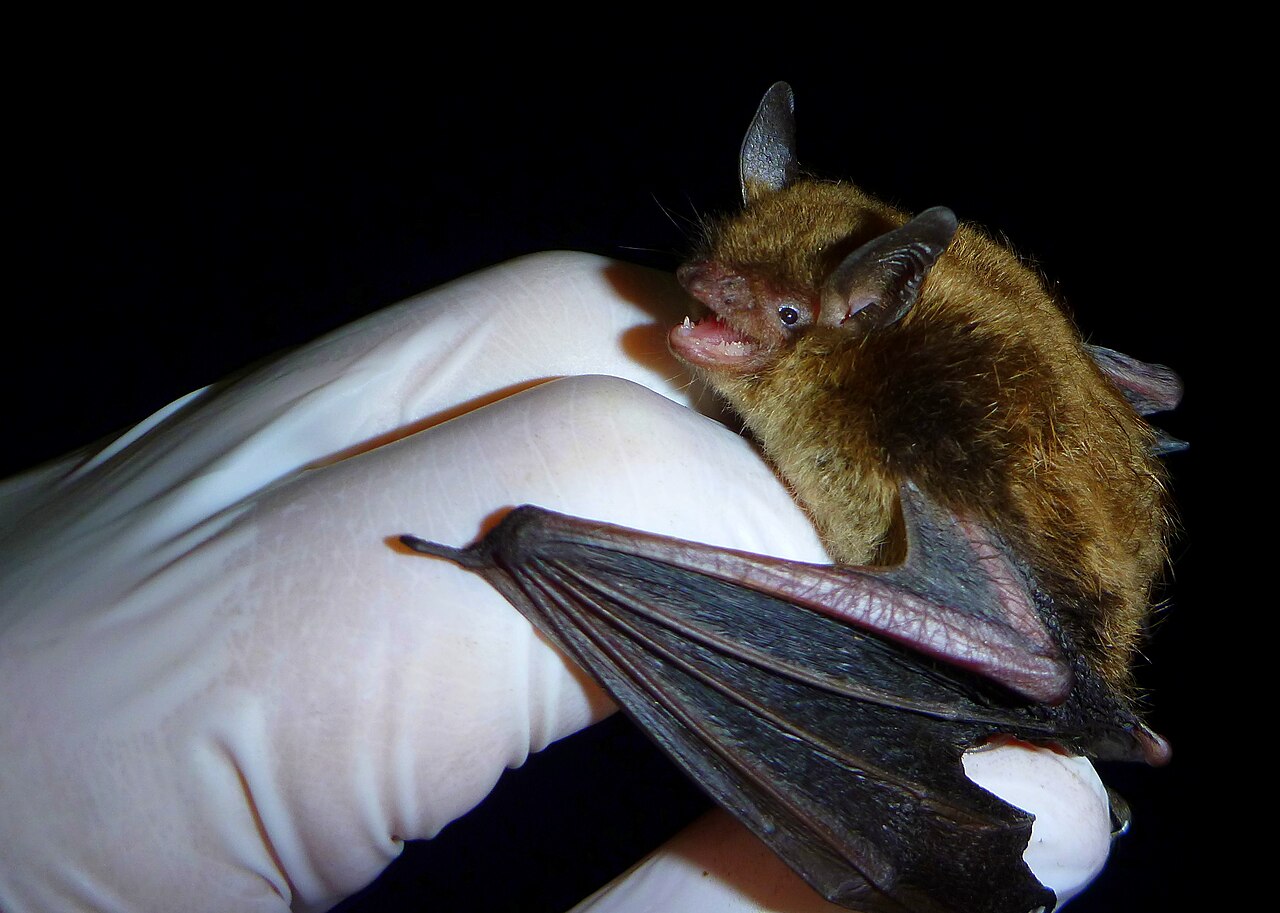
Bats over the river
August is the best bat-watching month of the year in Calgary: this summer's pups are flying, and little brown bats work the rivers at dusk, scooping insects off the water. Stand on a footbridge half an hour after sunset and watch the fading sky over the water. The erratic, fluttery flight is unmistakable once you've seen it.
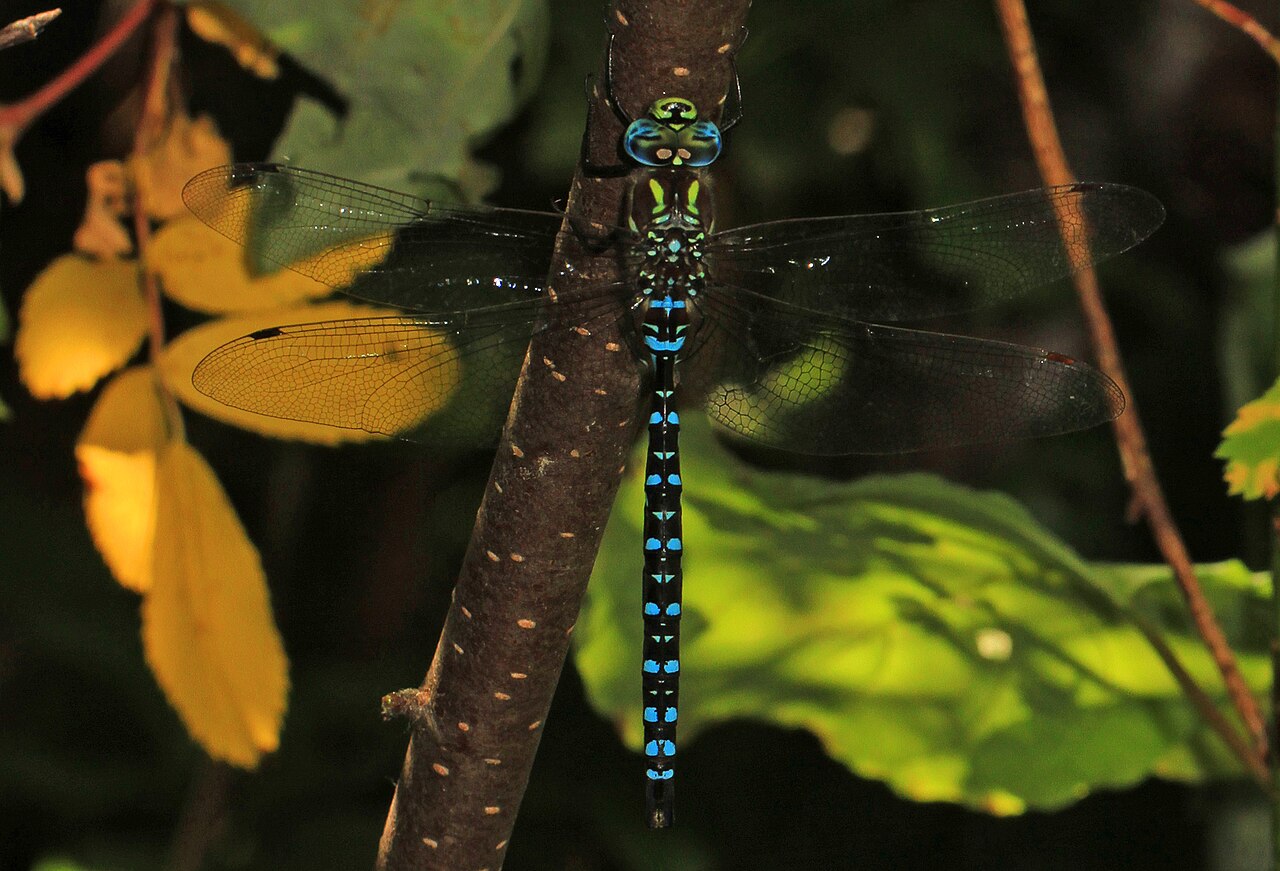
Darner season, at full tilt
The palm-length blue-and-green dragonflies patrolling the parks right now are darners, and August is their moment. On warm evenings they gather in loose feeding swarms where small insects concentrate, sometimes dozens hawking over a single sunny clearing. Each one spent years underwater as a larva for this single aerial summer.
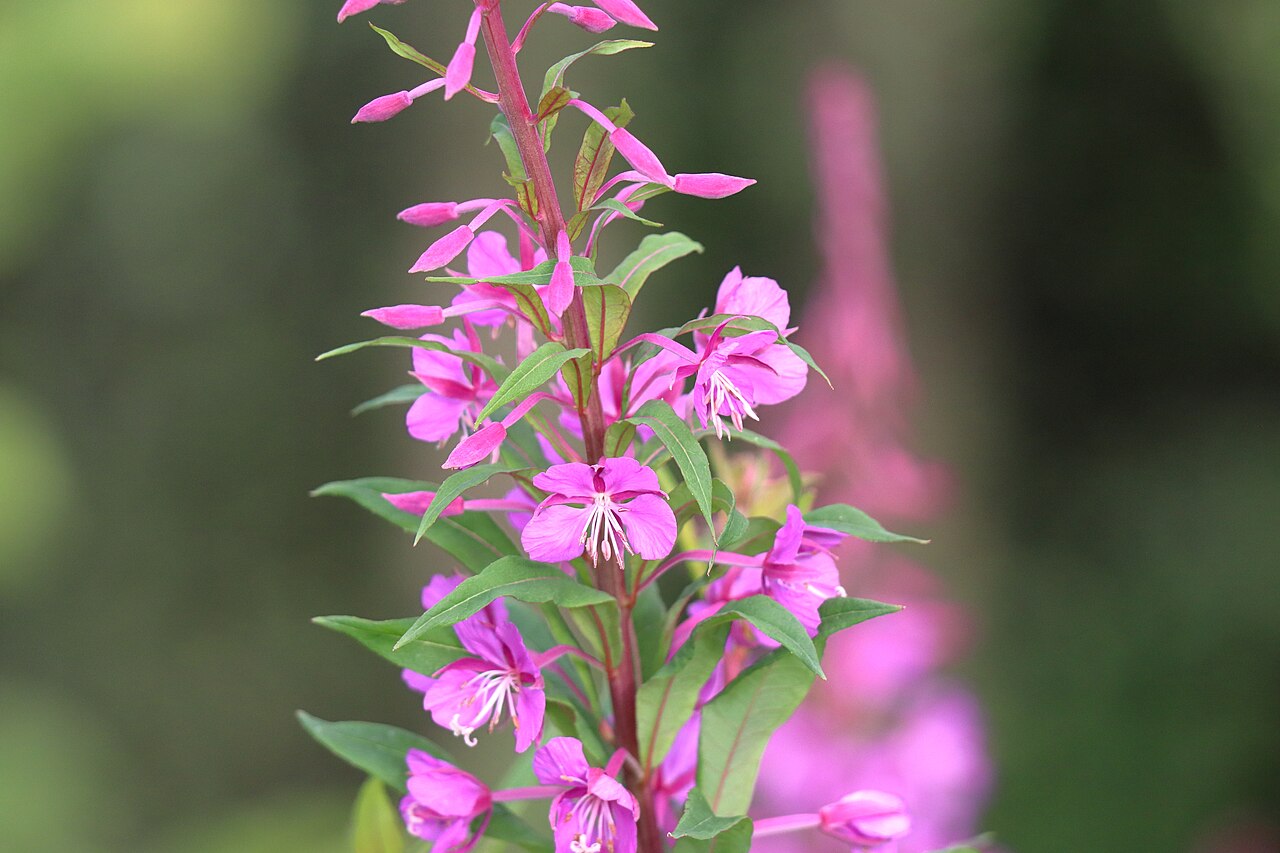
Fireweed says summer's ending
Fireweed blooms from the bottom of its spike upward, and folk wisdom says that when the last top flowers open, summer has about six weeks left. Most stands are topping out now, and the lower stems are already releasing silky seed fluff. A living progress bar for the season.
Also this week
tap for the full story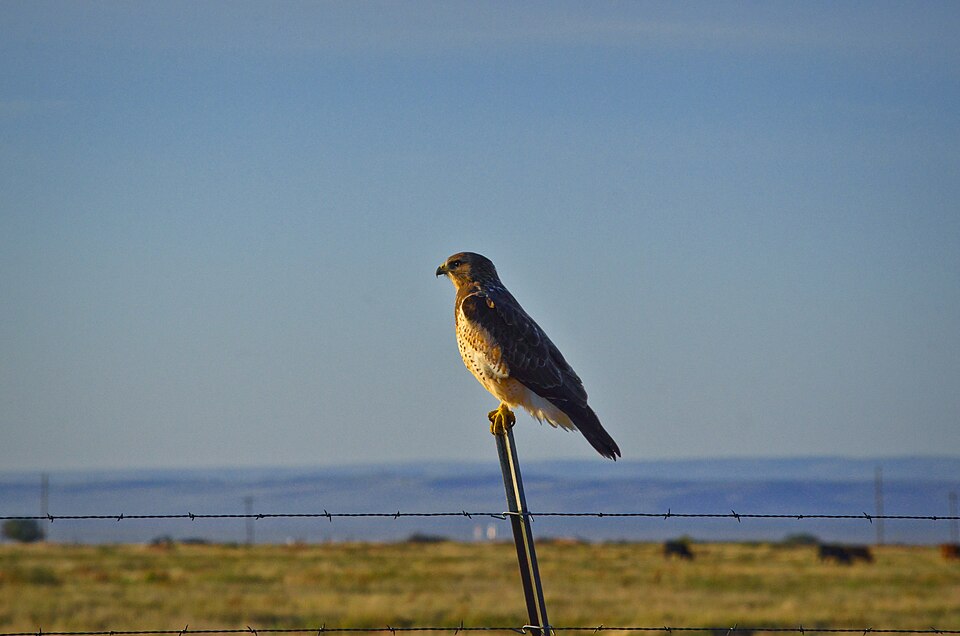
Swainson's hawks are gathering
Groups are building on the fence lines east of town. Then one September day the sky is empty of them
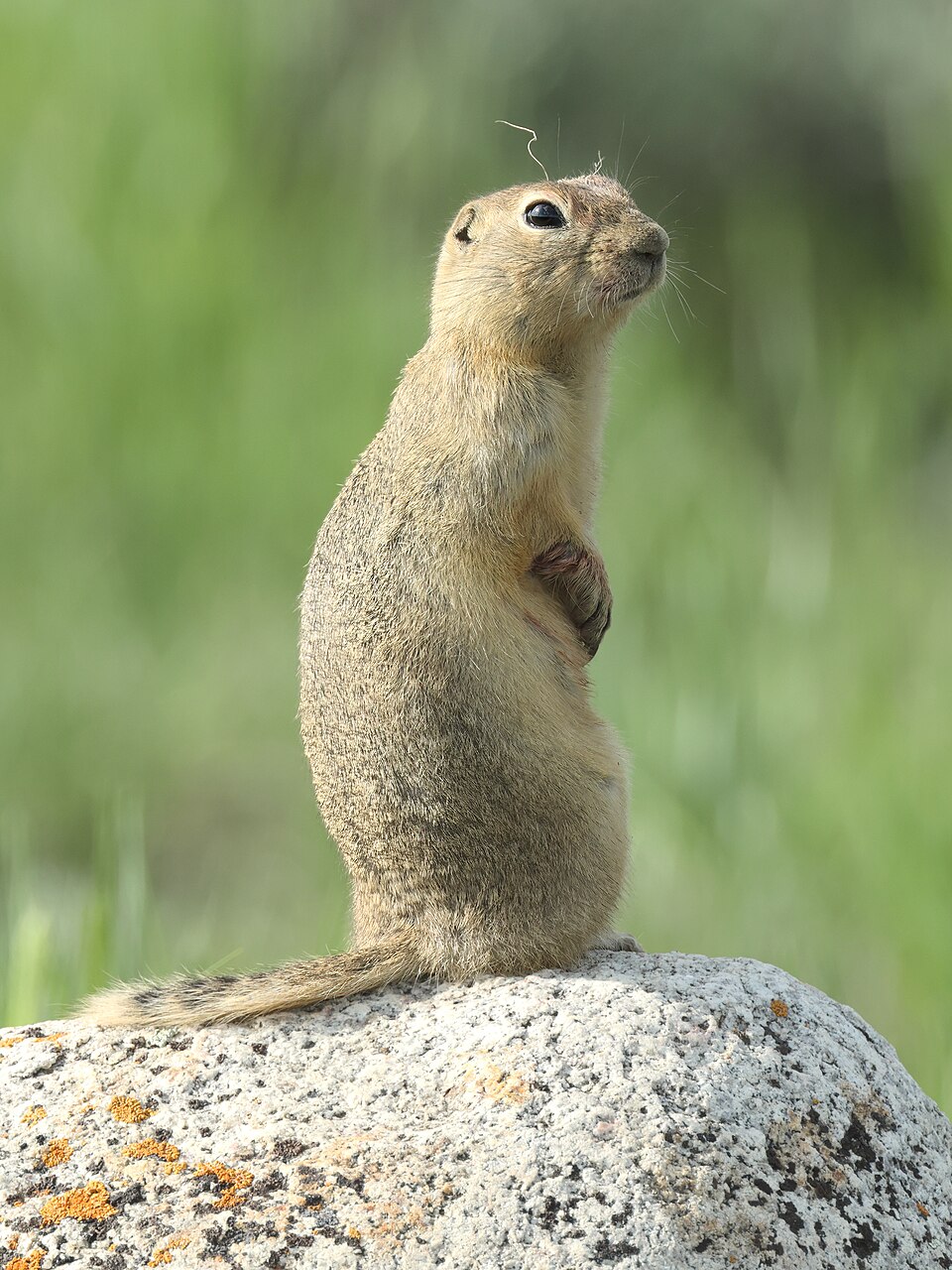
The gophers are disappearing
The ones still above ground are this year's young, eating hard against the clock
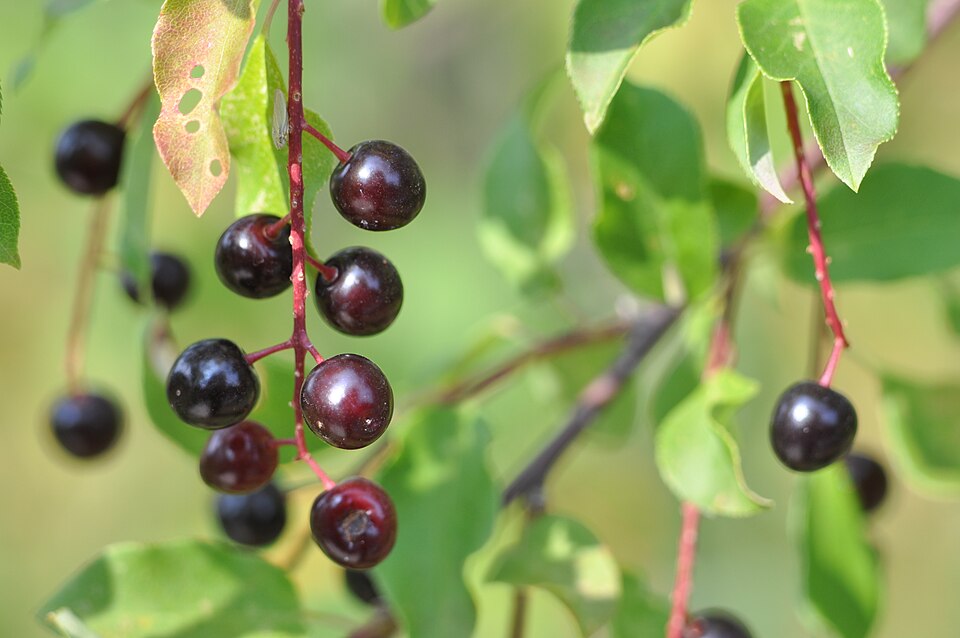
Chokecherries are turning black
Purple-black and ready. Watch a loaded tree for ten minutes and count who comes to it
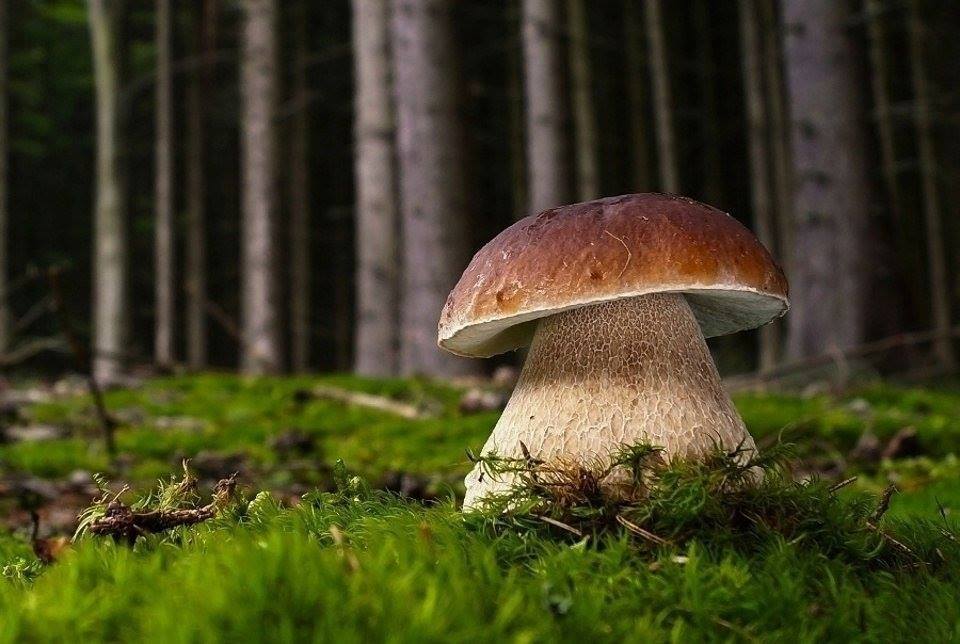
Mushroom season is warming up
Nothing to chase today. There is rain in the forecast, and this card changes when it lands
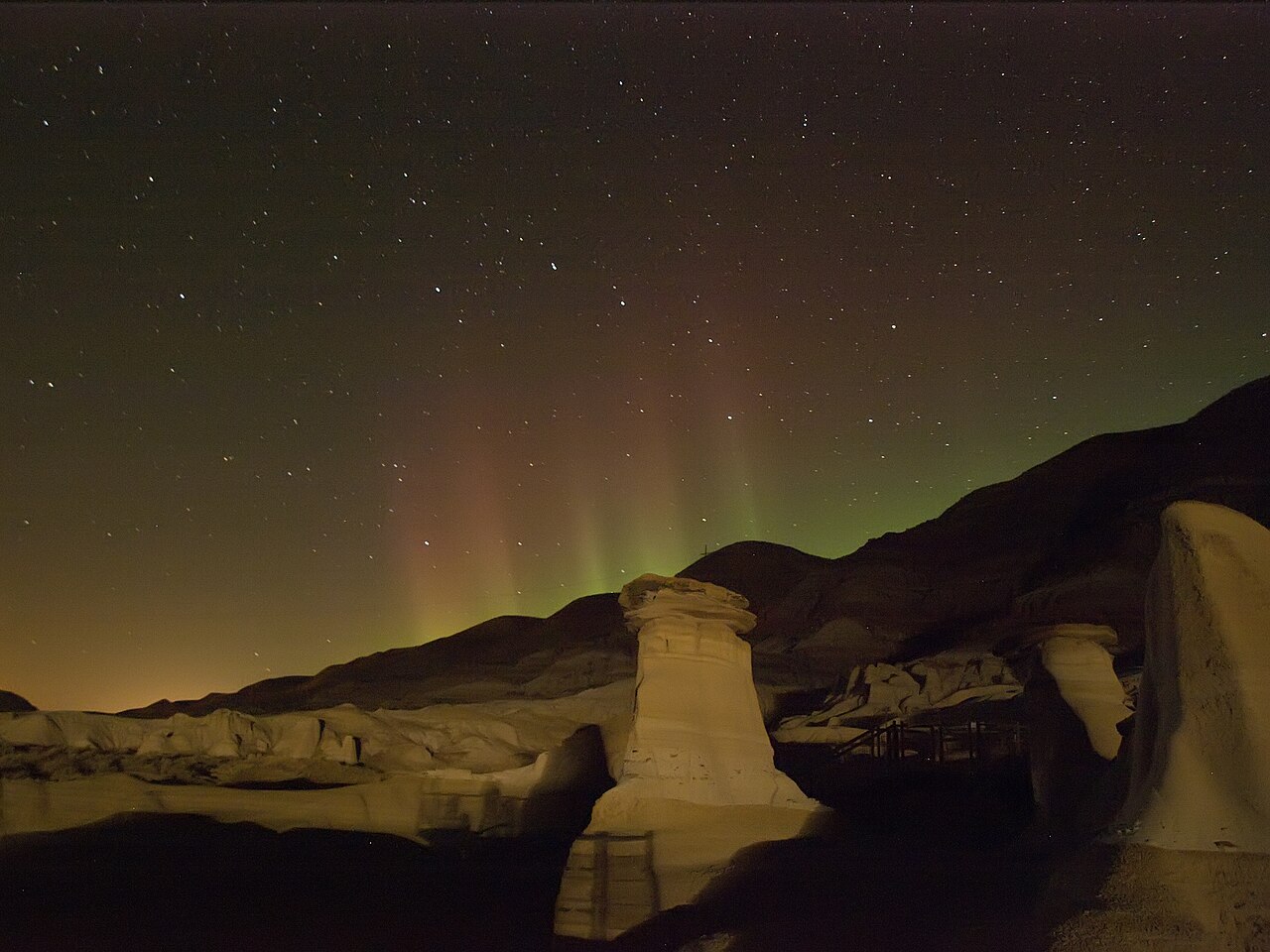
Aurora season is reopening
Season is open and quiet. The moon rises later each night this week, so the late hours are getting dark again