 Week of October 11 · Calgary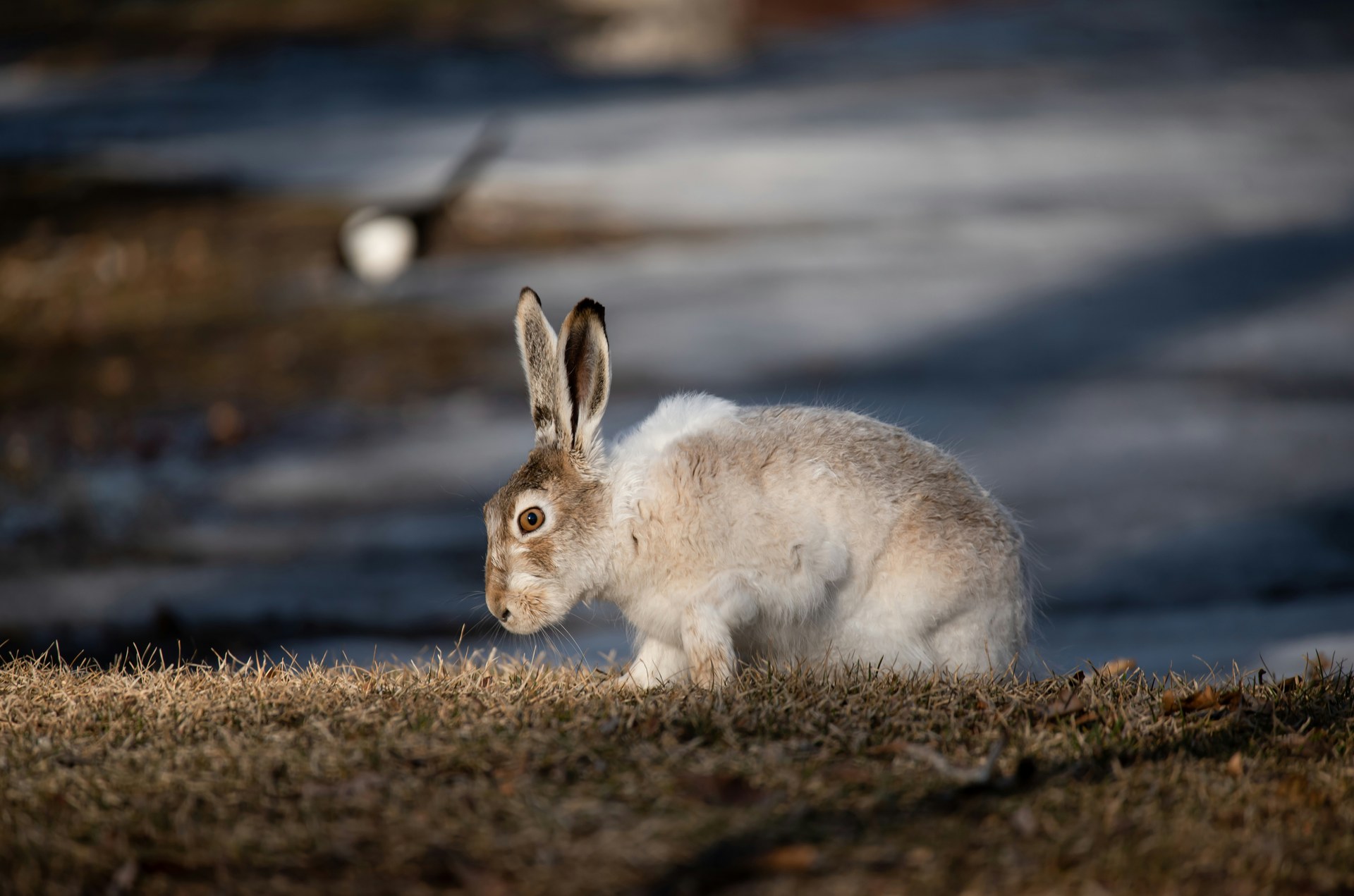
The hares are turning white
Hares are swapping their brown summer coats for white ones, and for a few weeks they are a patchwork of both. The change is set off by the shortening days, not by snow or cold, so it runs on very nearly the same dates every year. Researchers who followed snowshoe hares through the moult found it takes about 40 days, and that a snowy autumn or a bare one made no difference to when it happened. The snow keeps no such schedule. So in a late autumn you get a bright white hare sitting on brown grass, and the same study found the hares do nothing about it: they don't hide any better and they don't run any sooner. Whether a white-tailed jackrabbit turns white at all is inherited, and it follows how snowy its home ground is, so in places with little snow they stay brown all winter.
Ferreira M.S. et al. 2023, "The evolution of white-tailed jackrabbit camouflage in response to past and future seasonal climates", Science 379:1238-1242, for winter colour being inherited and tracking snow cover (abstract only)
Ghimirey Y.P., Kenney A.J., Krebs C.J. and Oli M.K. 2025, "Seasonal coat-colour moulting phenology of snowshoe hares in a Yukon boreal forest undergoing climate change", Royal Society Open Science 12:250662, for the dated northern site behind the window (abstract only). Timing rests on that published phenology, not on occurrence data
More happening around Calgary
tap for the full story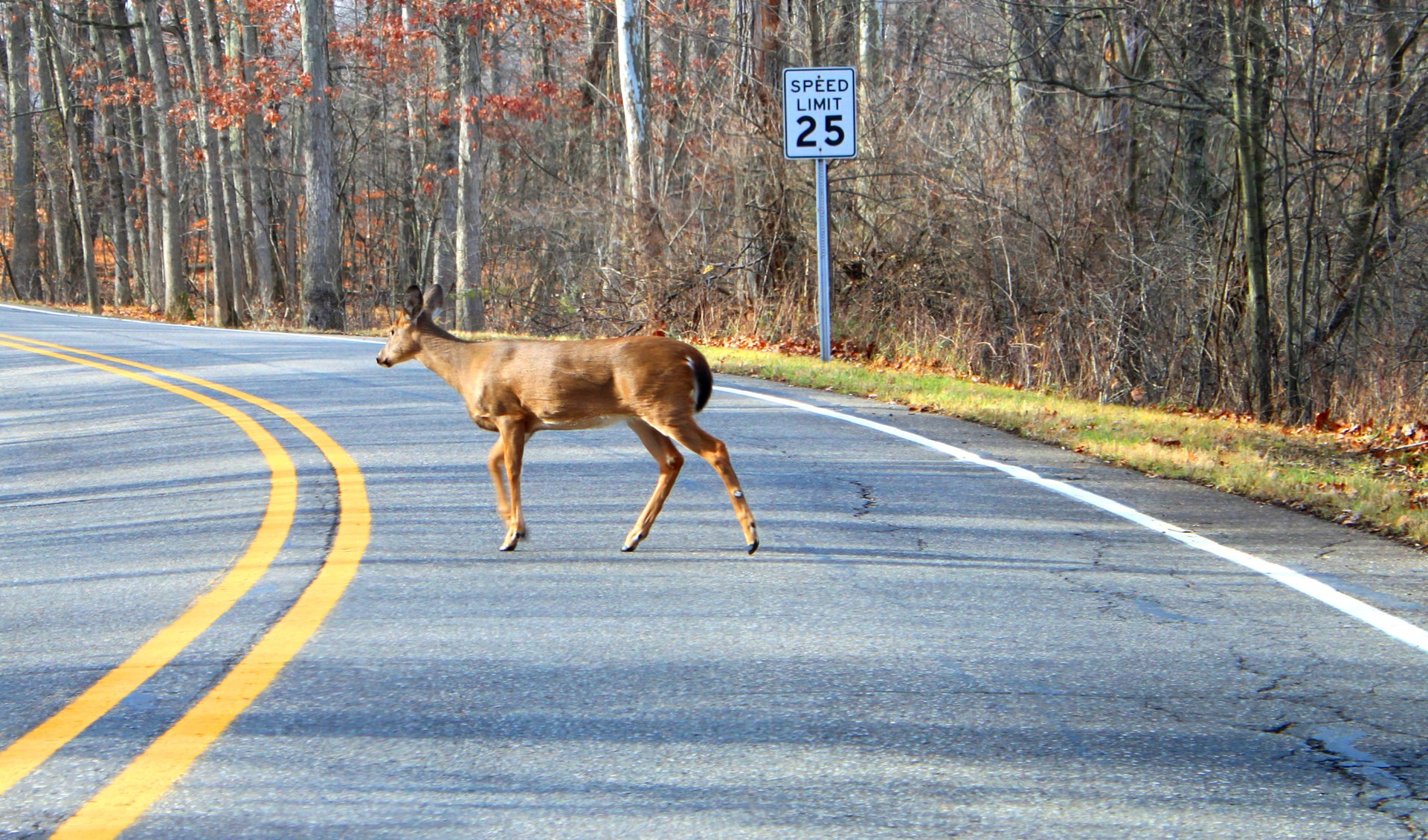
Deer are on the move
Deer are turning up on roadsides and in ditches more than at any other time of year. It is the...
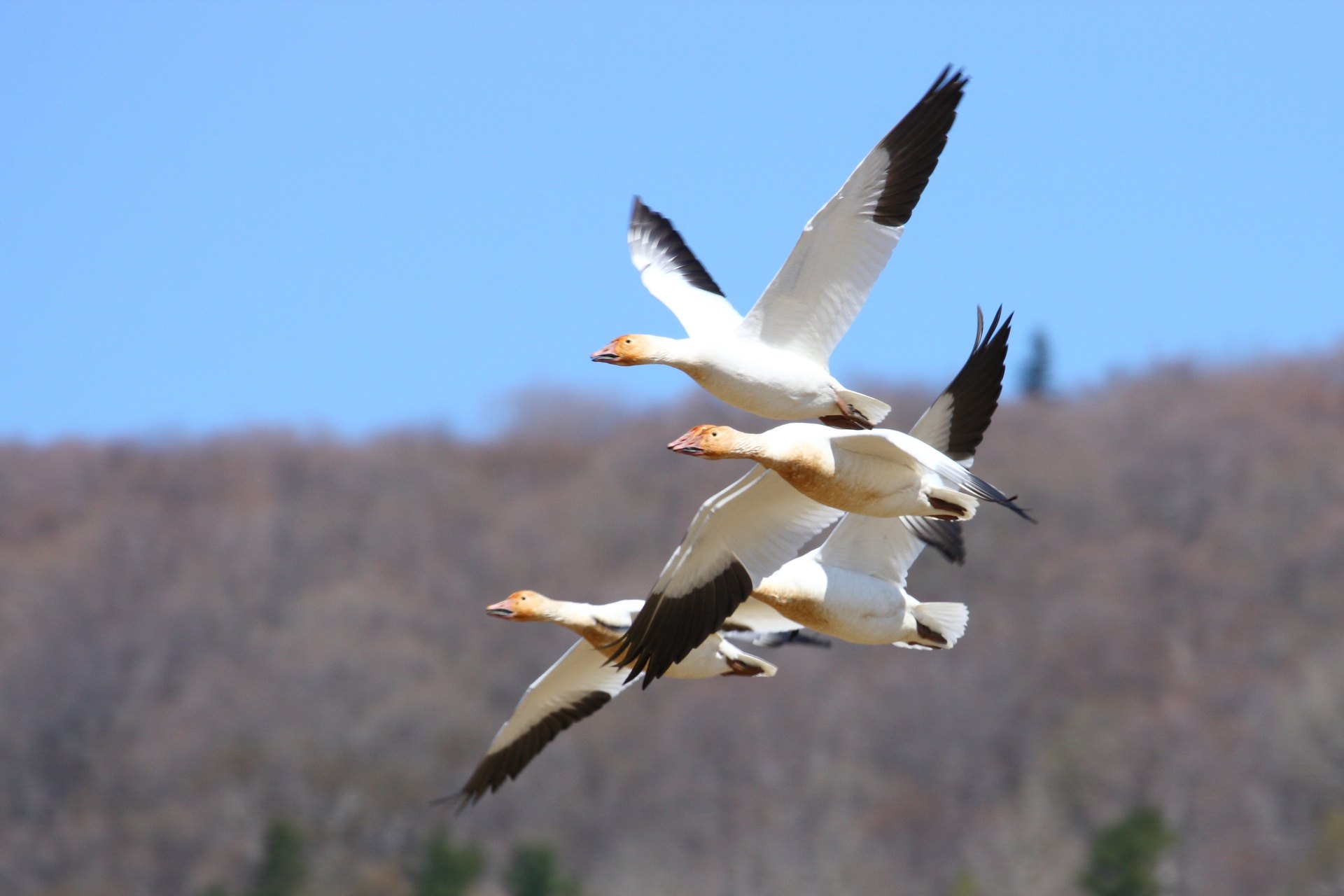
Snow geese are passing over
If you hear a high, yelping chatter somewhere overhead, look up for long wavering lines of...
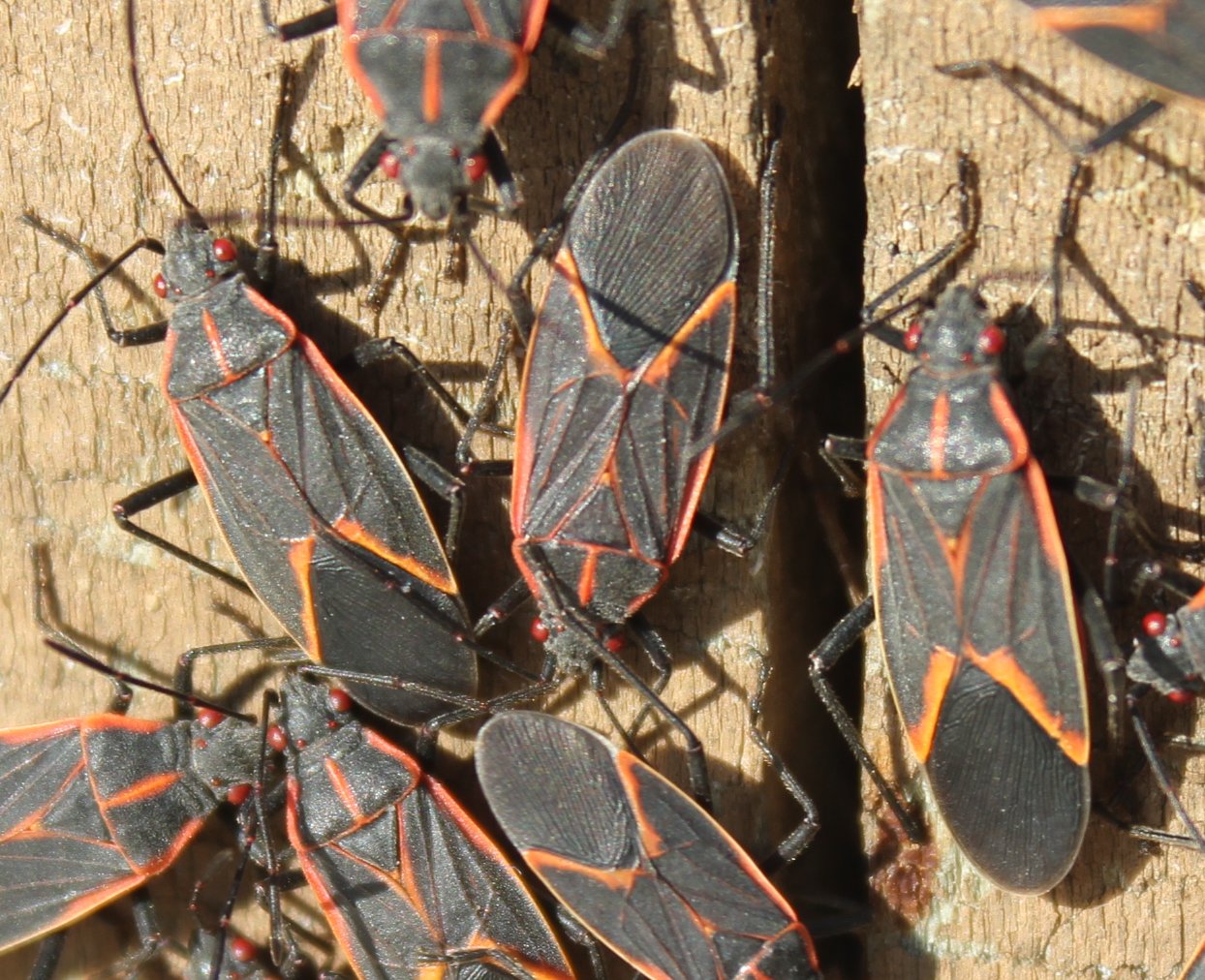
Red and black on warm walls
On the first properly cool days of autumn the sunlit side of a house, a fence or a tree trunk...
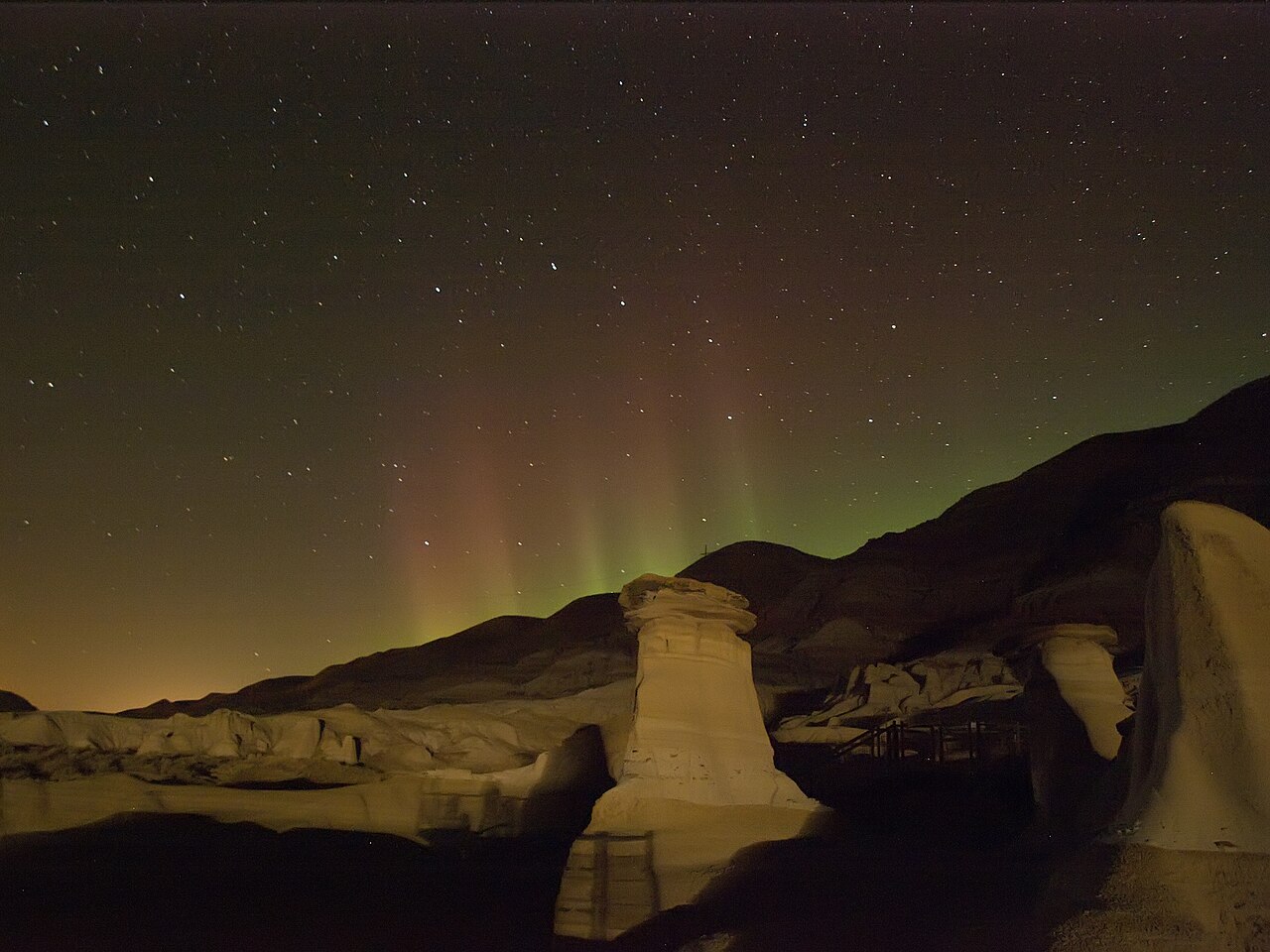
Aurora season is reopening
Summer nights at this latitude are finally getting dark enough for northern lights again. From...

That bright light is Saturn
Still close to as bright as it gets this year, and the moon is out of the evening sky all week. Monday evening is forecast clear, and it is the steady light in the southeast once it is dark
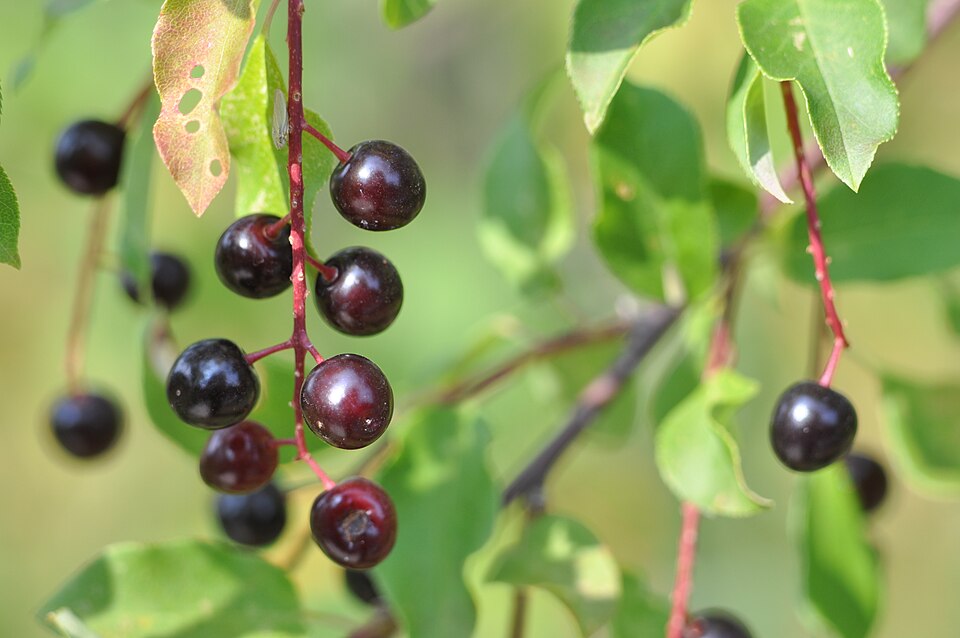
Chokecherries are turning black
The city's chokecherries are shading from red to nearly black, and that's ripeness. Too...
Spotted an error? Report a correction